
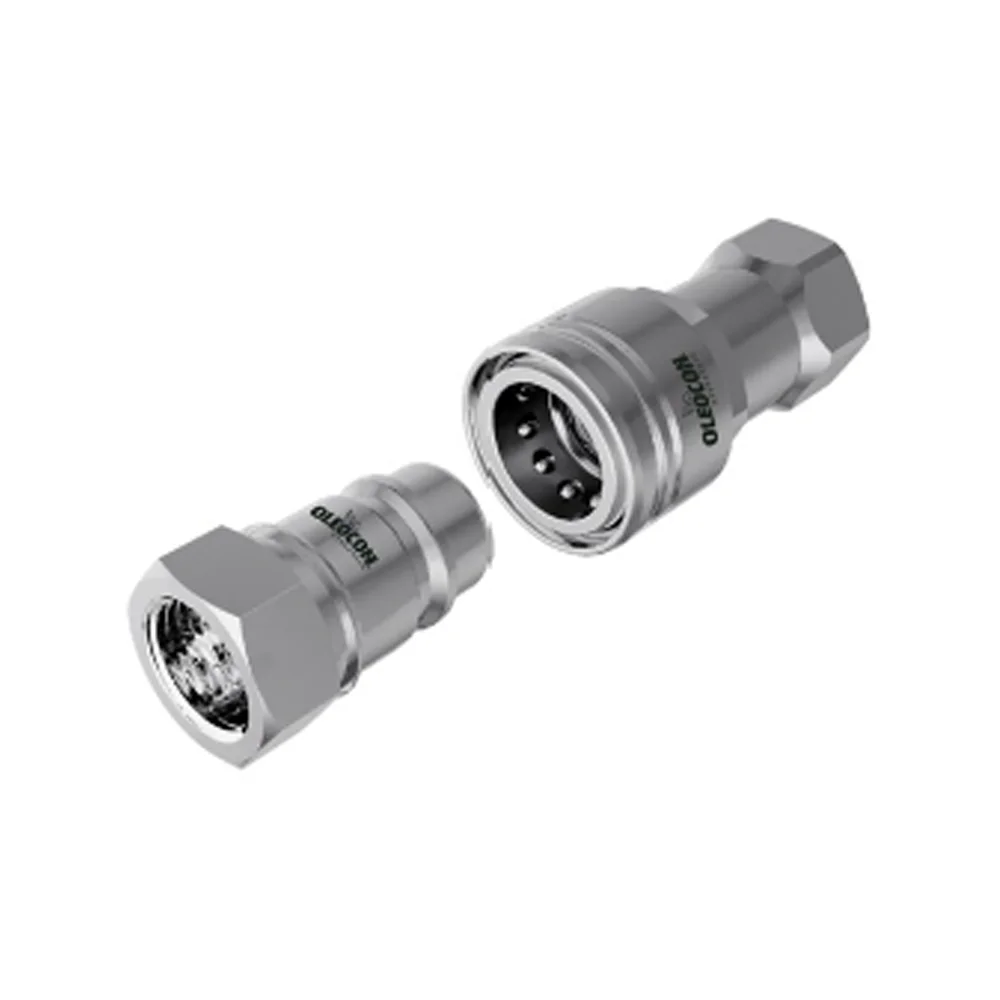
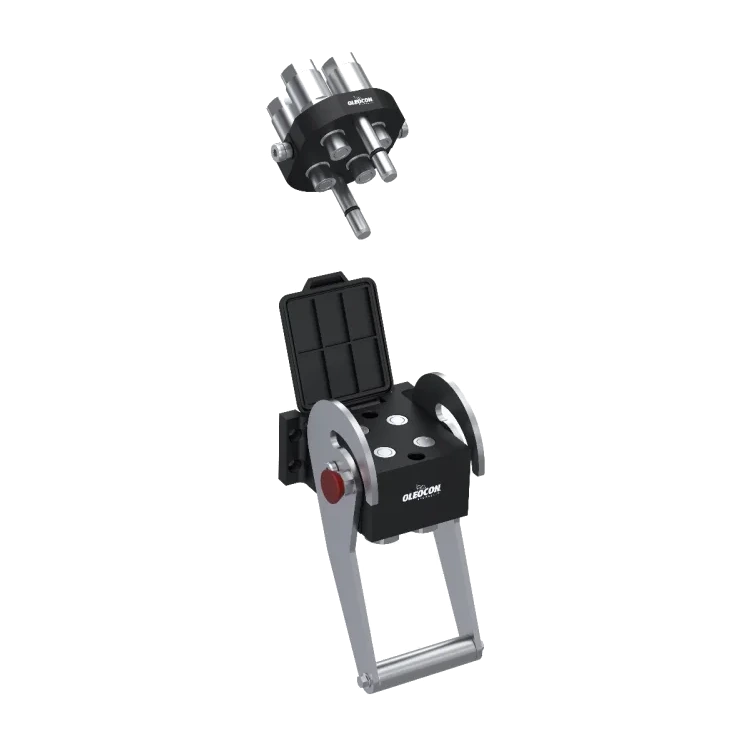
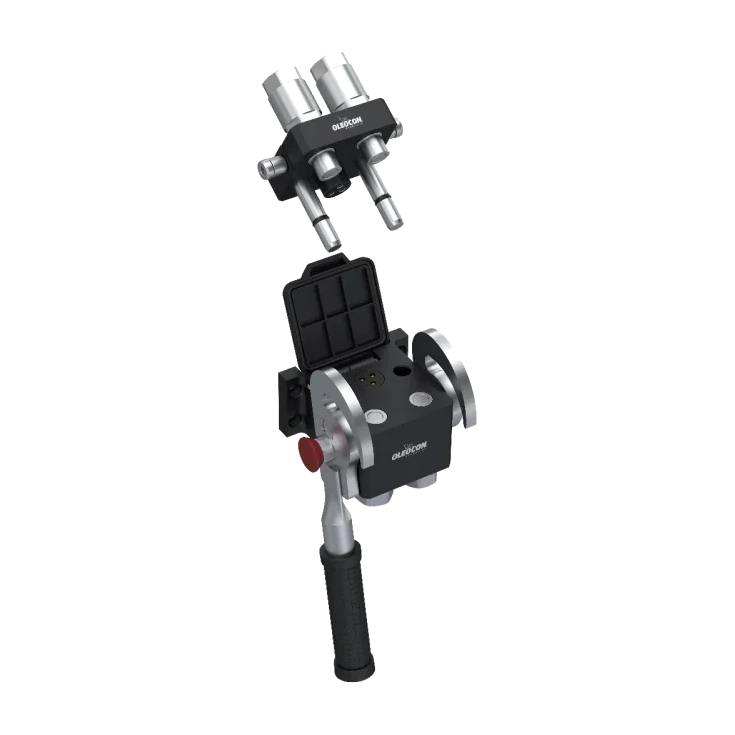
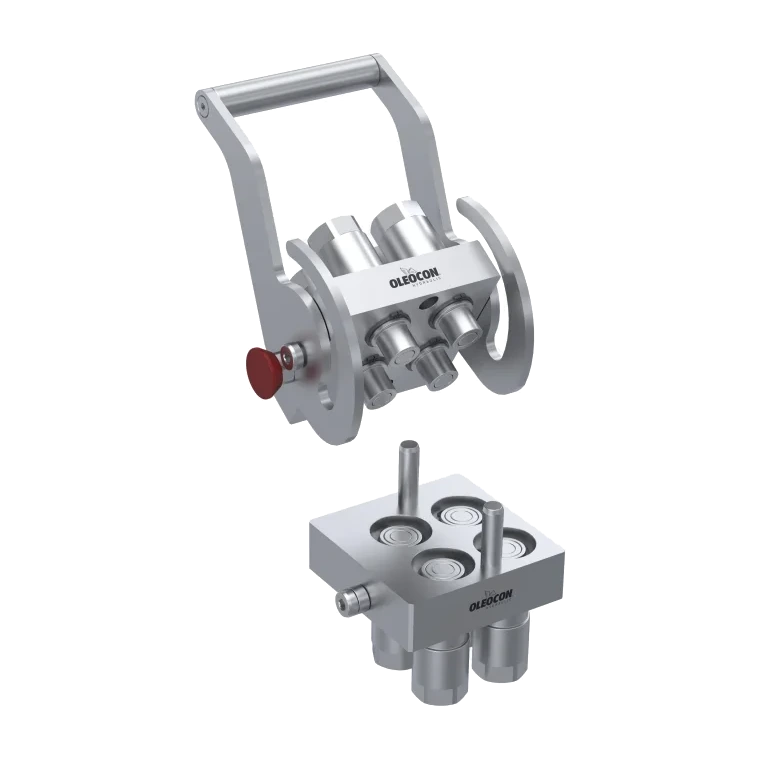
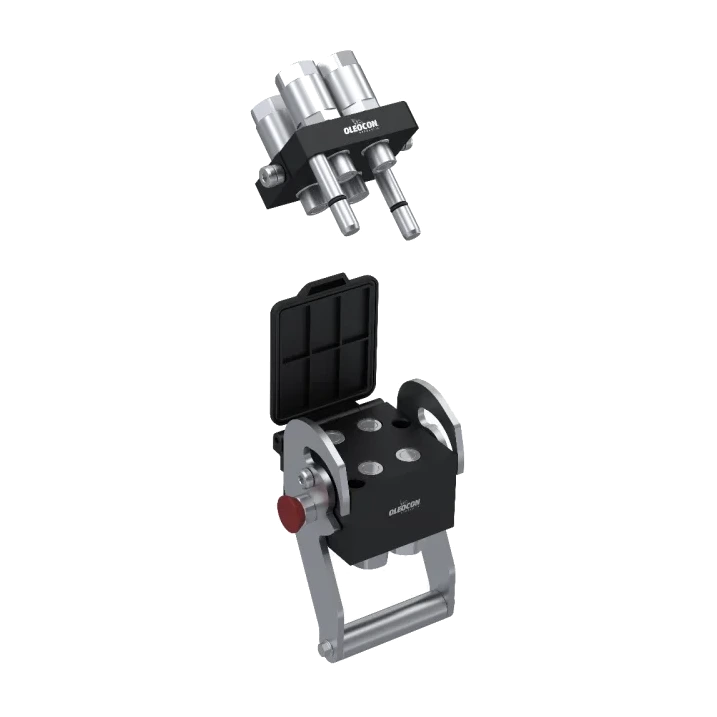
 Poppet type
6,3–50315bar
ISO 7241-A / B
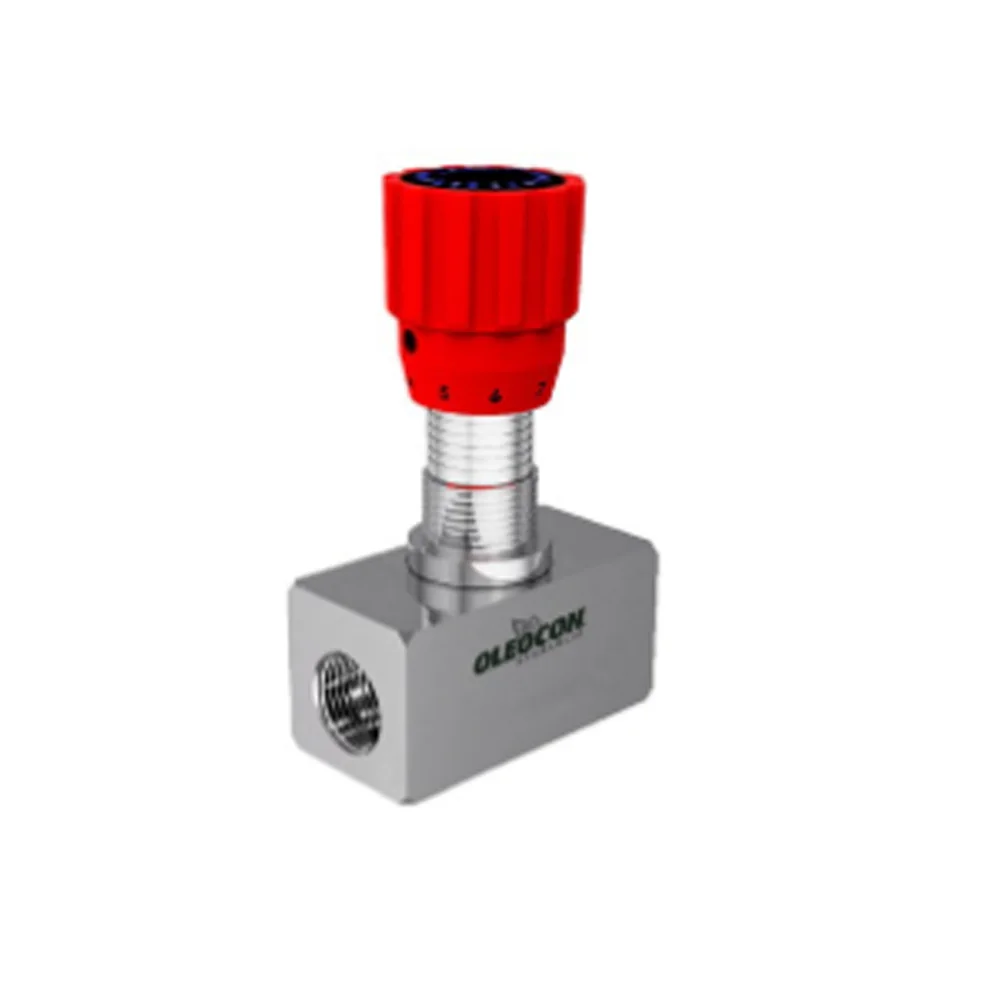
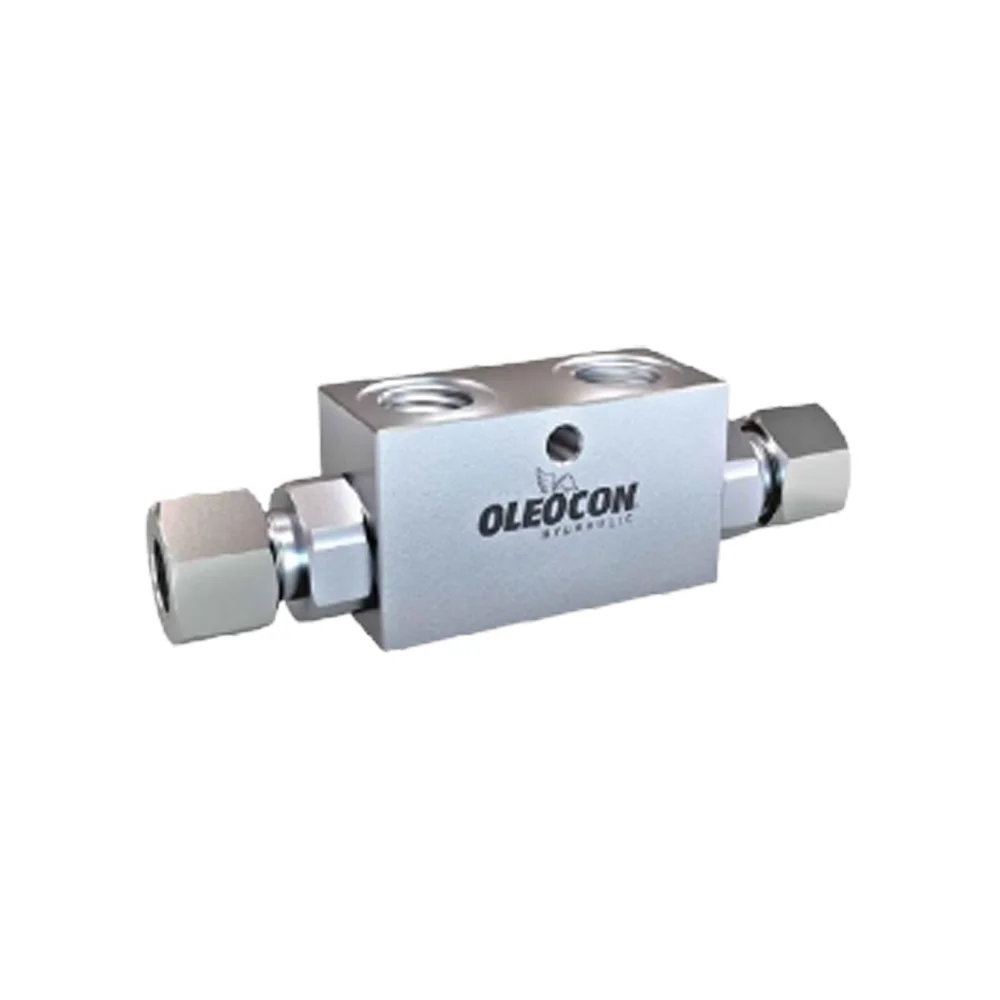
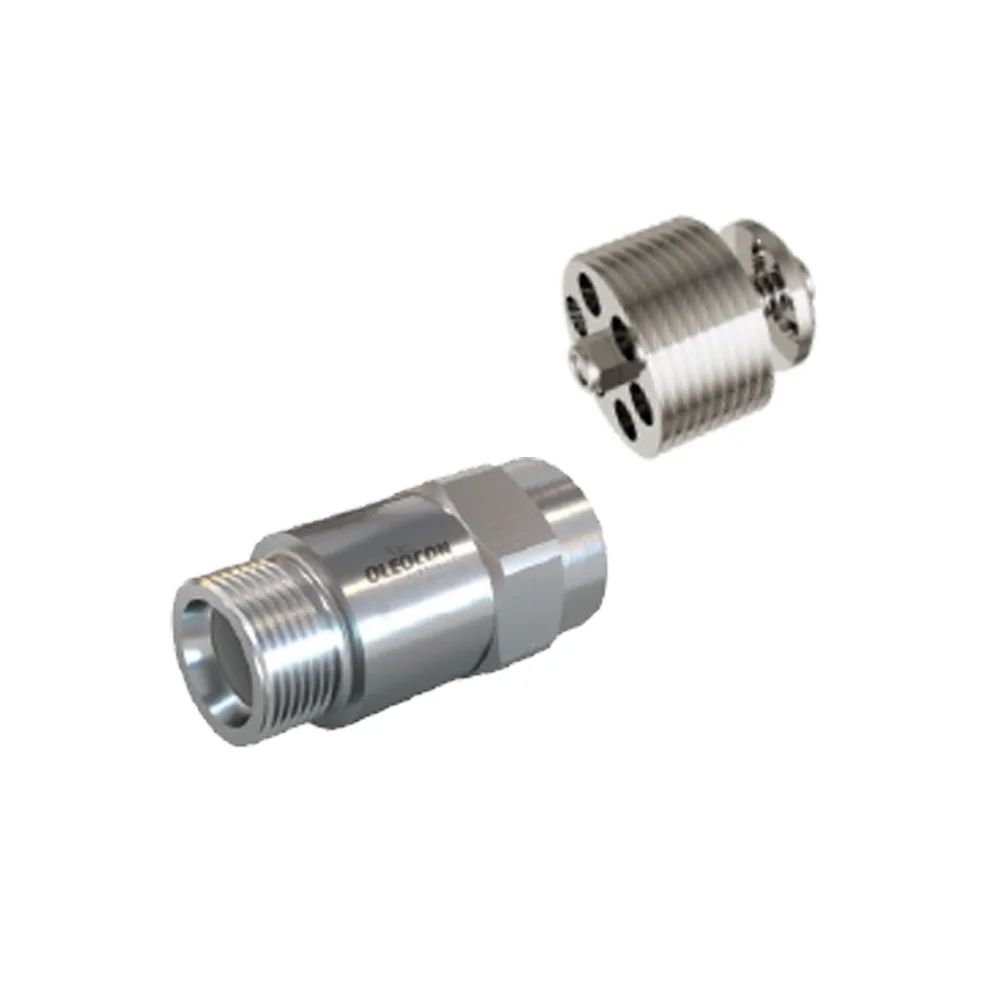

HYDRAULIC OILS
What Is Hydraulics?
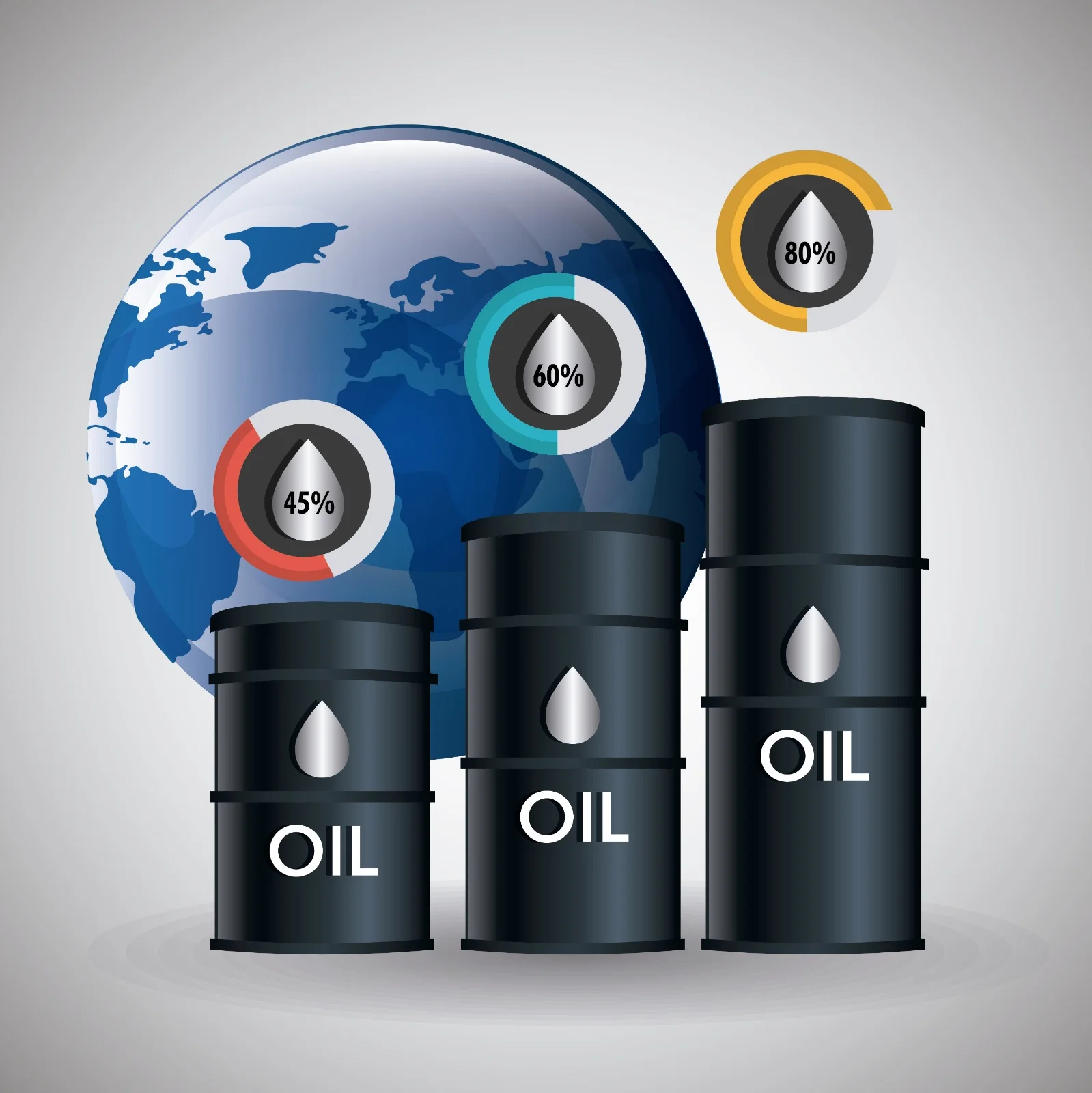
Hydraulics is the use of liquids to transmit energy. It is sometimes also called “fluid power”. Liquids are considered incompressible. The first hydraulic fluid: water (Hydro – Greek for water)
Functions
- Transmit power
- Protect the hydraulic system
- Withstand operating conditions
Pascal set out the principles that laid the foundations of hydraulics in the 17th century. In the 19th century, the principle of transmitting energy through liquids was used to operate industrial presses, lifting mechanisms, cranes and other heavy equipment. Water was generally the fluid used in the first systems, but it came with serious limitations, such as poor lubricating properties, a limited operating temperature range and a tendency to cause corrosion. At the beginning of the 20th century, mineral oils became available for use. In the 1920s and 1930s these oils were widely adapted for use in hydraulic applications.
Today, many powerful modern machines are controlled either partly or entirely by hydraulic mechanisms. The first oils used as hydraulic oil were straight mineral oils. Fire-resistant hydraulic oils were developed for places with a fire risk, for example in the steel industry and coal mining.
Pascal’s LAW
In a closed system, the pressure is the same everywhere in a static liquid. It also holds when the liquid is moving at a constant velocity.
P (Pressure) = F (Force) / A (Area)
Hydraulic Oil Raw Materials
Mineral Oil Types
The viscosity index (VI) is an arbitrary, dimensionless measure of the change in a fluid’s viscosity with temperature. It is mostly used to characterize the viscosity-temperature behavior of lubricating oils. The lower the VI, the more the viscosity is affected by changes in temperature.
Strengths
There are no restrictions: hydraulic systems are designed for mineral oils. This is a standard. Note: additives are always required.
Weaknesses
As they age, they release very strong acids. The Total Acid Number (T.A.N.) must always stay low (< 0.5 % mg KOH/g). They harm the environment. Their biodegradation is very slow. They have a toxic effect on animals and plants in water. They are not fire-resistant. When mineral oil comes into contact with heat it ignites easily, gives off a very long flame and black smoke, and is very aggressive.
Hydraulic Oil Suppliers
Global Players;
Domestic: Petrol Ofisi and 140 other oil producers (registered with EMRA)
- Its viscosity must meet mechanical and volumetric requirements
- It must have a high viscosity index It must lubricate very well
- It must have a very low vapor pressure
- It must show excellent chemical stability even at high temperatures
- It must have low compressibility
- It must not ignite
- It must be non-toxic and must not harm the environment
- It must be low in cost
- It must not foam
- It must be inert to seals and pipes (in other words, substances that do not enter into any reaction or change)
Unfortunately, there is no fluid that can do all of this at once…
Basic Properties; Low Compressibility: efficient transmission of pressure Shear Stability: retaining viscosity under high pressure Air Release: if air bubbles remain in the oil, compressibility increases. Pressure is not transmitted efficiently Foaming: it must be low and the foam must collapse quickly Viscosity: while circulating in the system it must also lubricate.
Compressibility
A measure of the reduction in volume of a liquid when pressure is applied to it. Bulk Modulus: the ratio of the pressure applied to the change in volume. If the bulk modulus is high, compressibility is low. The bulk modulus increases as temperature and pressure rise. If compressibility is high, power transmission drops and control accuracy drops.
Air Release
If there is a leak on the suction side of the pump, the air coming in through it appears in the oil as “bubbles”. Even a very small number of bubbles increases compressibility. It causes jerky and irregular operation and creates overheating. Air release test: ASTM D 3427 Air is blown for 7 min into oil heated to 25-50-75 °C. The time taken for the air in the oil to fall to 0.2 % is measured.
Shear Stability
Under high pressure, large oil molecules break down into smaller molecules, which reduces the viscosity index, lubricating properties and resistance to combustion.
Foaming
When air trapped in the fluid returns to the tank, the air bubbles rise to the surface and form foam. If the foam re-enters the system, efficiency drops. The oil film becomes thinner and a failure may occur. Excessive foaming can also cause hydraulic fluid to be lost from the tank. Anti-foam additives are added (they must not hinder air release)
- LUBRICATION: lubricating the moving parts in the hydraulic circuit (anti-wear additives, viscosity)
- COOLING: it must lower the temperature when the system heats up (viscosity)
- PROTECTION: protection against corrosion
- Viscosity
A measure of a fluid’s resistance to deformation under shear stress. It can also be defined as the internal resistance of a fluid to flow. IT IS THE MOST IMPORTANT PROPERTY OF HYDRAULIC OIL. It must be efficient enough to lubricate the system parts, especially the pump It must not leak through the operating clearances of pumps, motors and valves. It must flow freely inside the hydraulic circuit. It must provide effective cooling.
Kinematic Viscosity: kinematic viscosity is measured by noting the time it takes for the oil to pass through a capillary tube under the force of gravity. Saybolt Viscosity: the Saybolt universal unit is a measure of kinematic viscosity. It is measured by the flow of 60 cm³ of liquid through a special funnel over time at a constant temperature. ISO VG: hydraulic system oils made from high-quality base oils, with high oxidation resistance and resistance to foaming, and with high performance in both fluid power transmission and lubricity. SAE: the SAE (Society of Automotive Engineers) developed a scale for engine and transmission oils. This scale shows the viscosity of the oil at specified temperatures.
SAE GEAR: viscosity ranges defined by the Society of Automotive Engineers. In these ranges, engine oils and gearbox oils are classified separately. AGMA: American Gear Manufacturers Association, SUS (Saybolt Universal Seconds)
As temperature rises, viscosity falls. As pressure rises, viscosity rises. Mineral oil cannot be used in hydraulic equipment that produces very high pressure; synthetic oil is used.
Protecting the System
Wear
Anti-wear Additives
Zinc-type additives: they prevent metal surfaces from rubbing against each other at high temperatures by forming a protective film layer. EP (Extreme Pressure) additives: at high temperature they enter into a “chemical reaction” with the metal surface and form an easily broken-down film layer. Gear and piston pumps must contain an anti-wear additive to extend their service life.
Choosing Hydraulic OIL
Viscosity: determined by the design of the hydraulic equipment manufacturers. System: a type of hydraulic oil with additives suited to the application must be used. The materials of the equipment to be used must be compatible with the oil. Environment: choose a suitable product for the ambient temperature. In environmentally sensitive areas, biodegradable oils should be chosen. Safety: in systems with a fire risk, a fire-resistant fluid must always be chosen.