
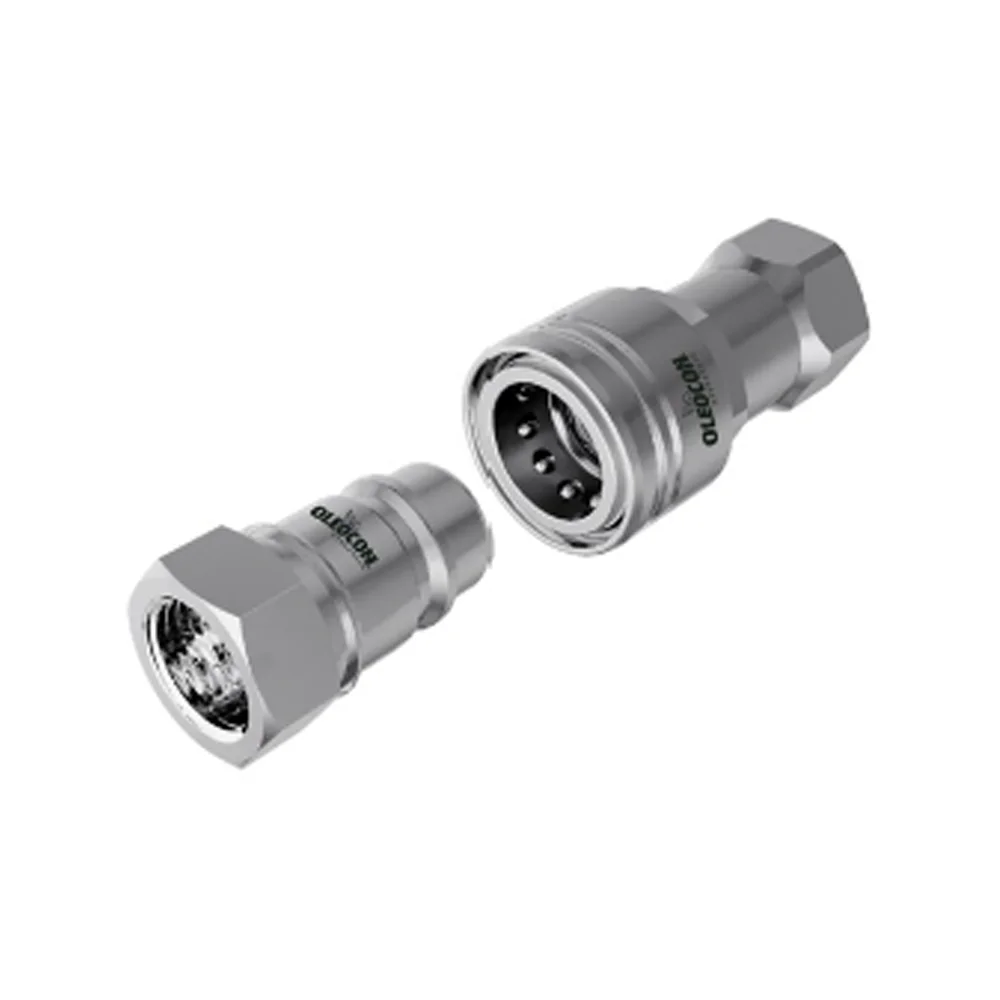
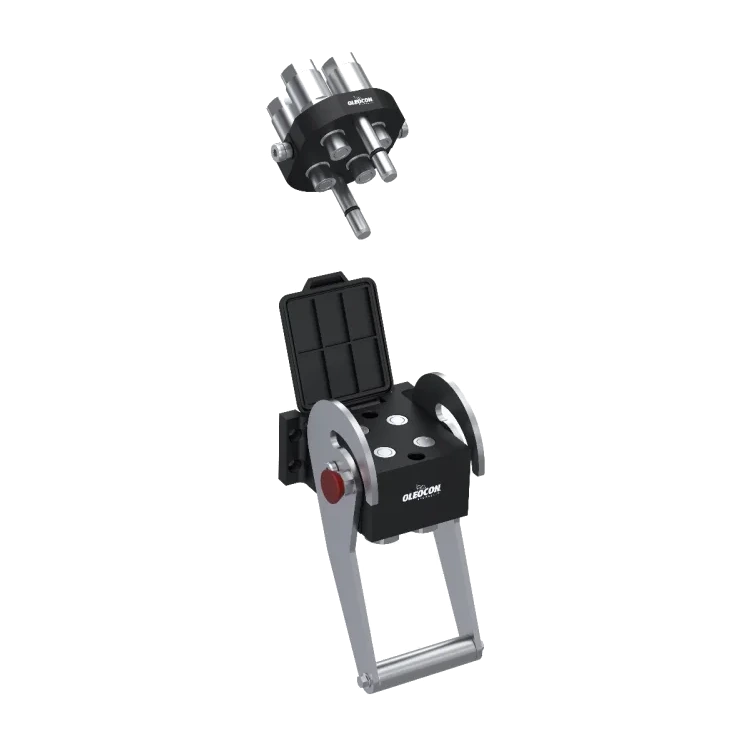
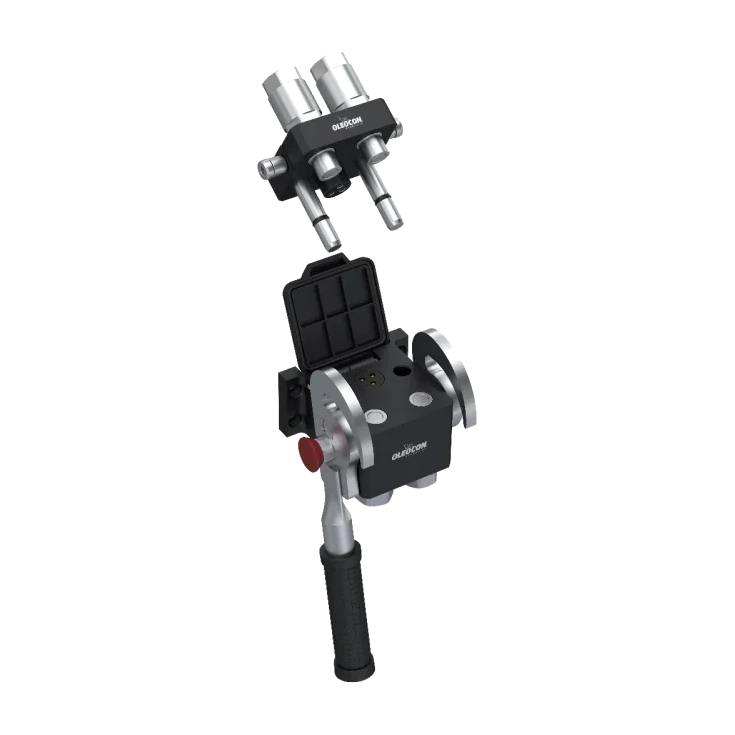
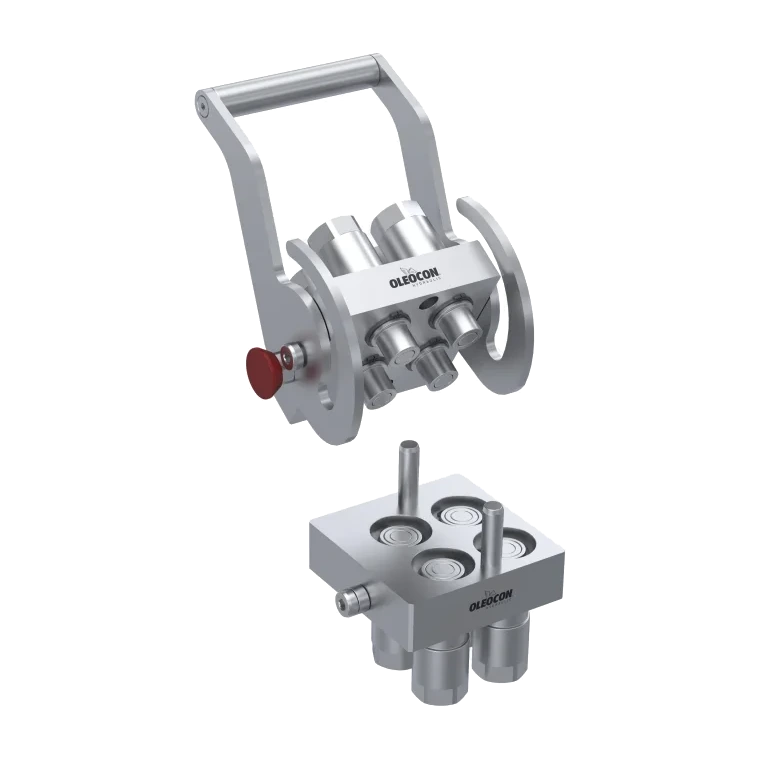
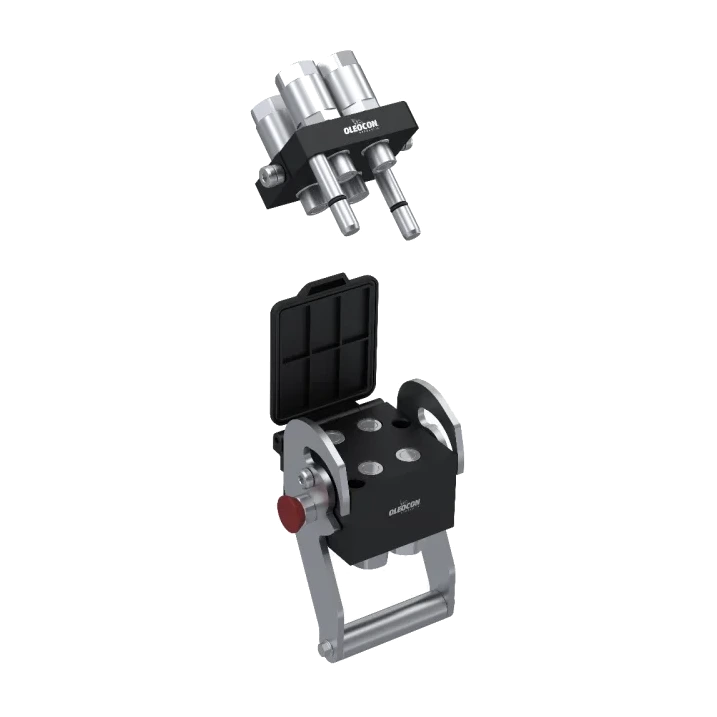
 Poppet type
6,3–50315bar
ISO 7241-A / B
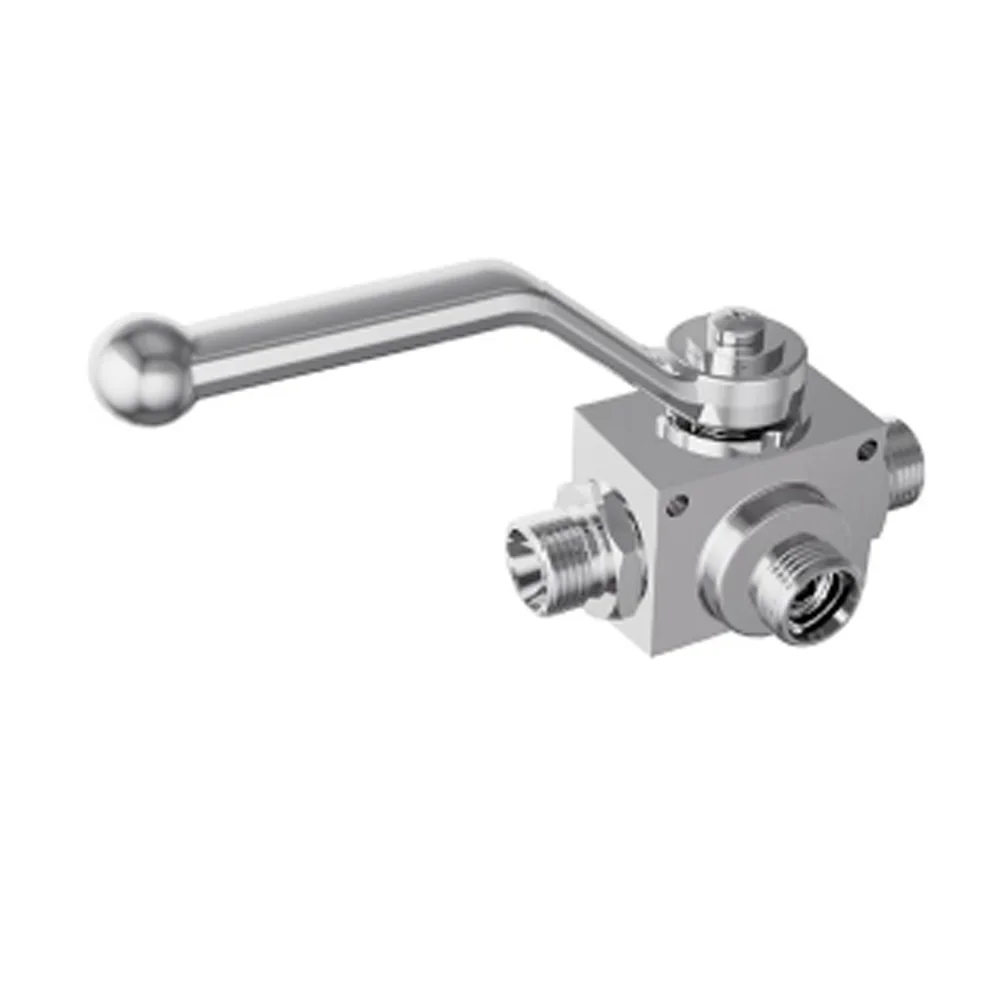
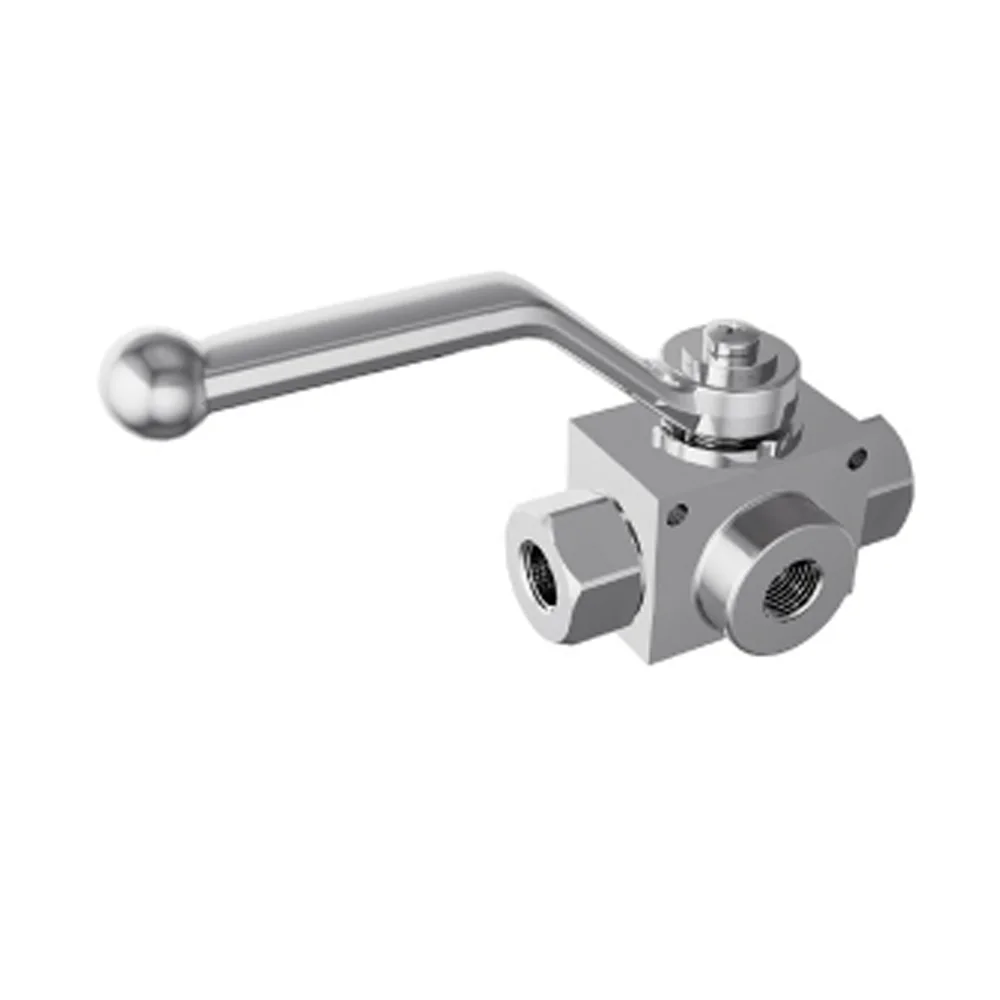
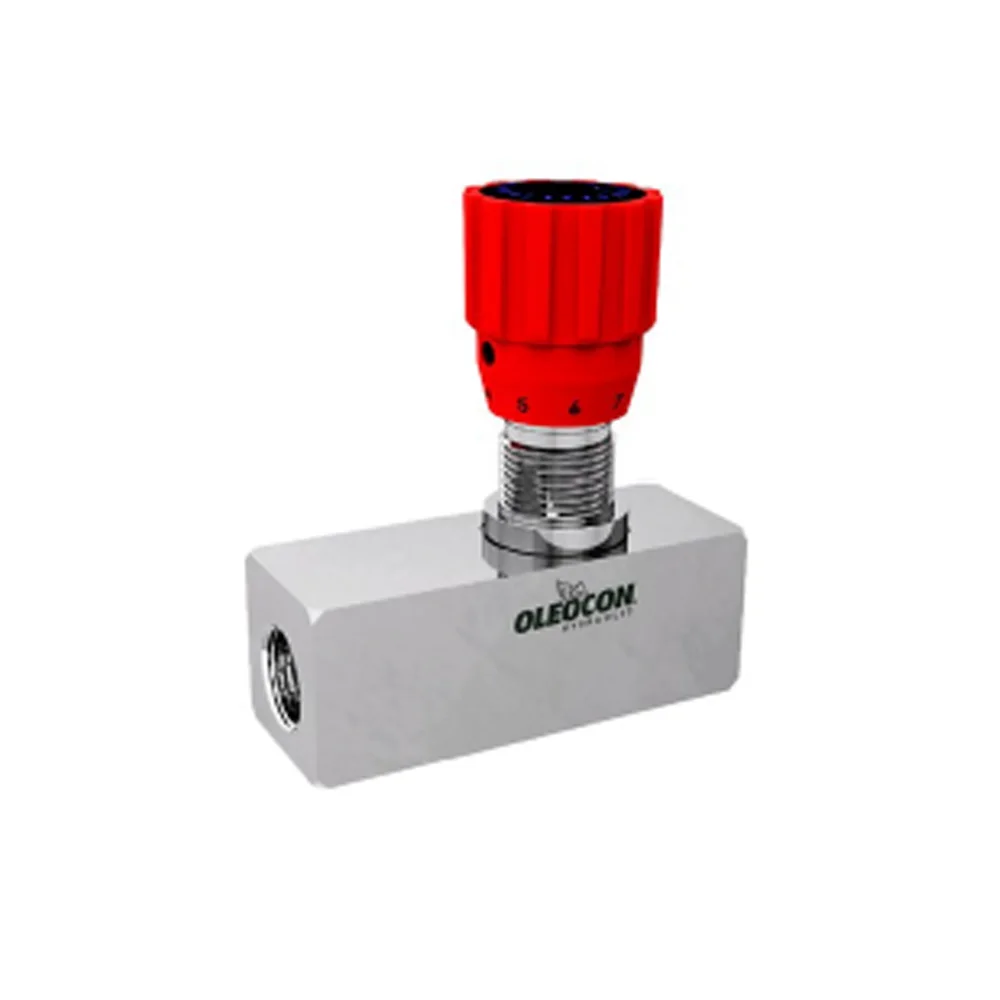
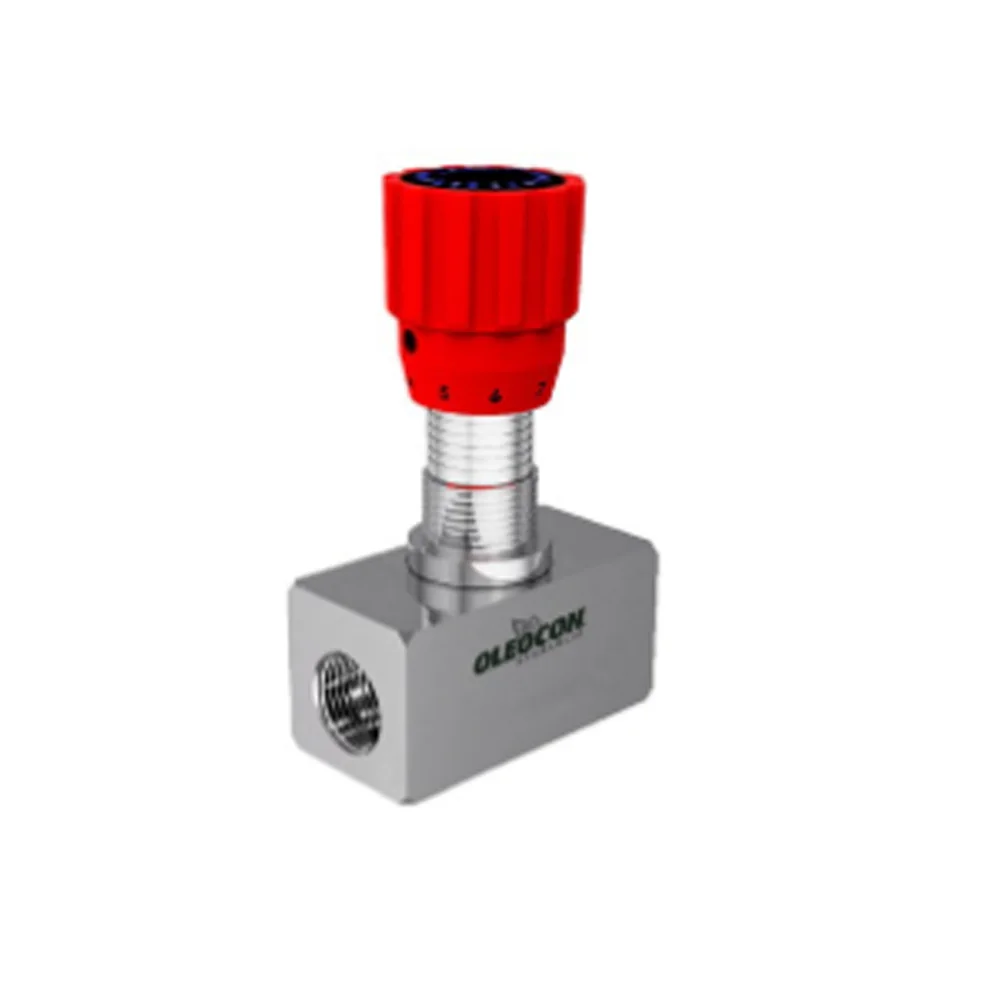
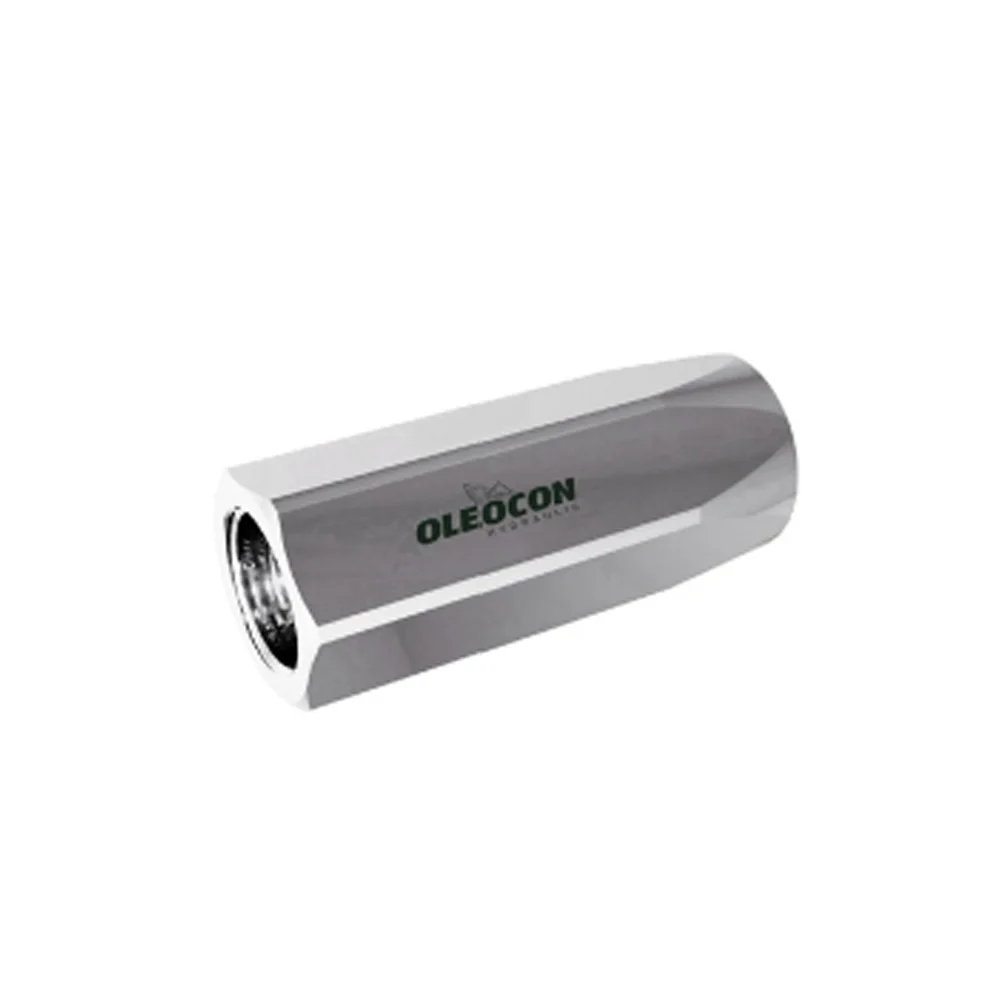
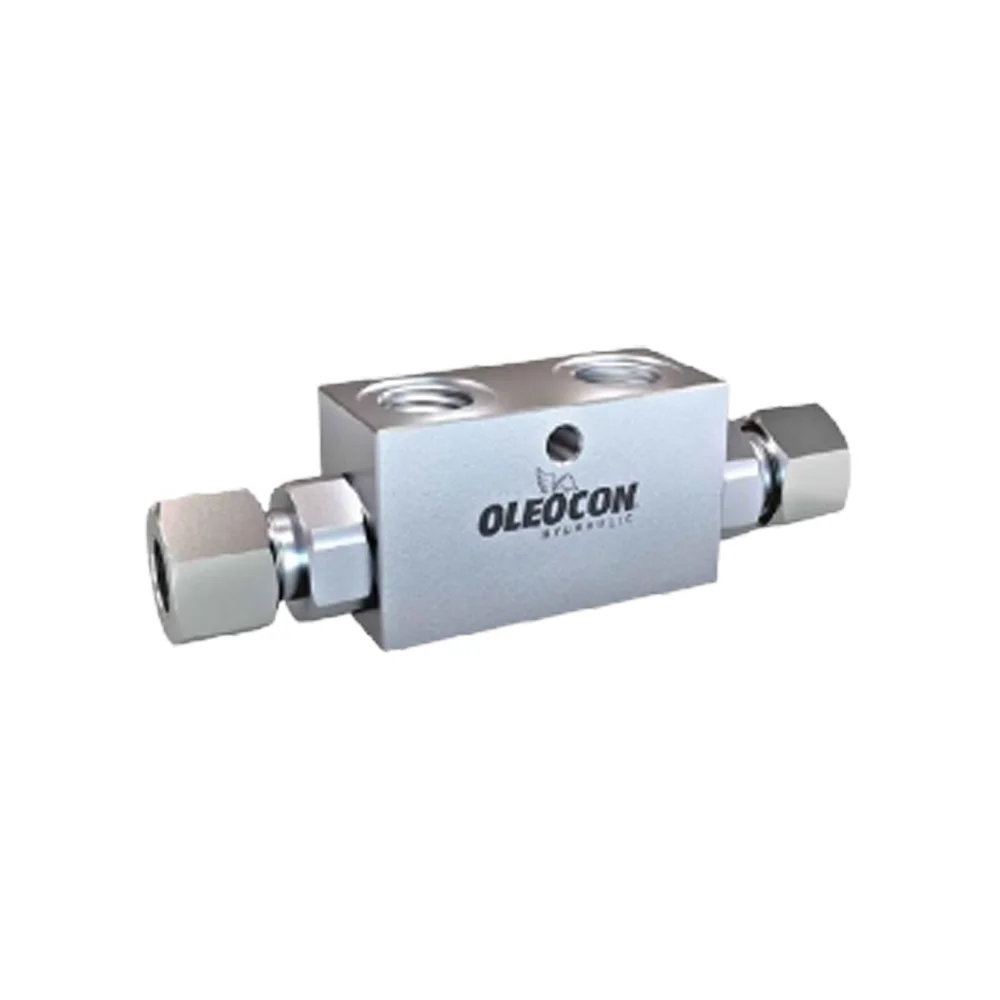
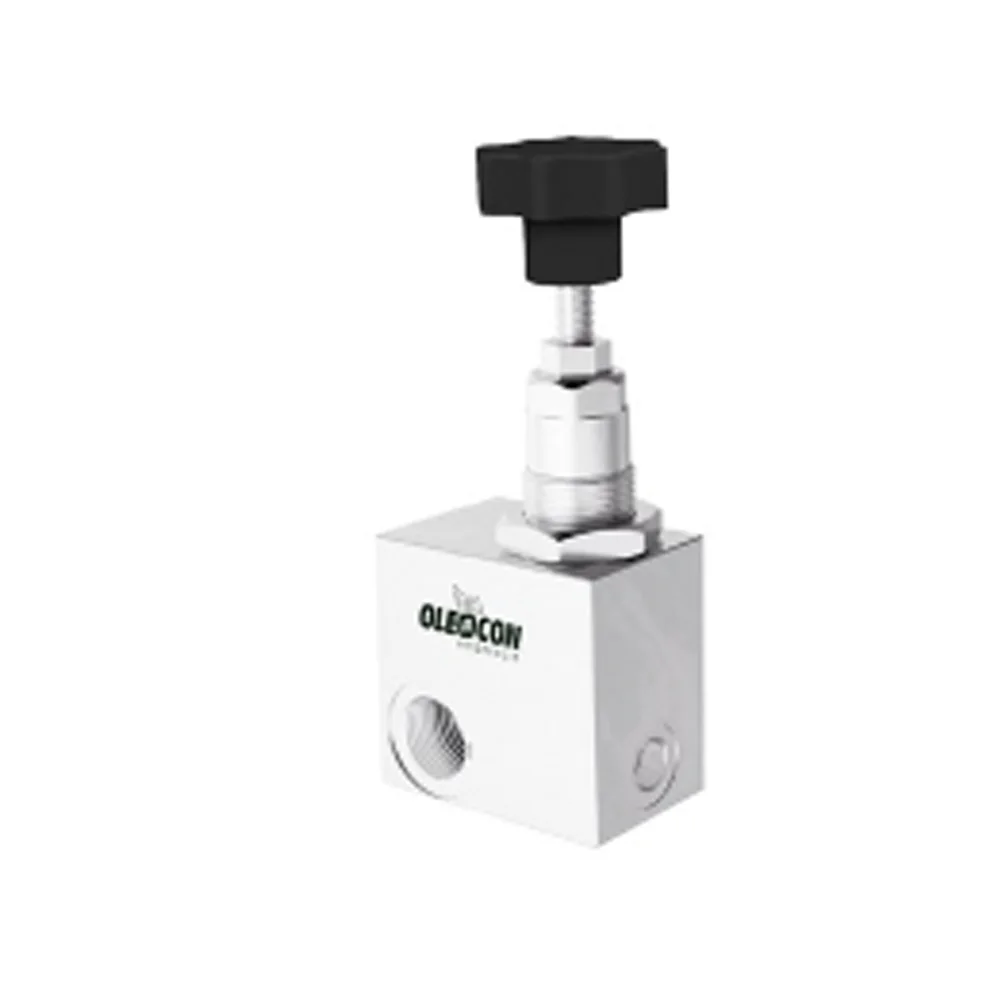
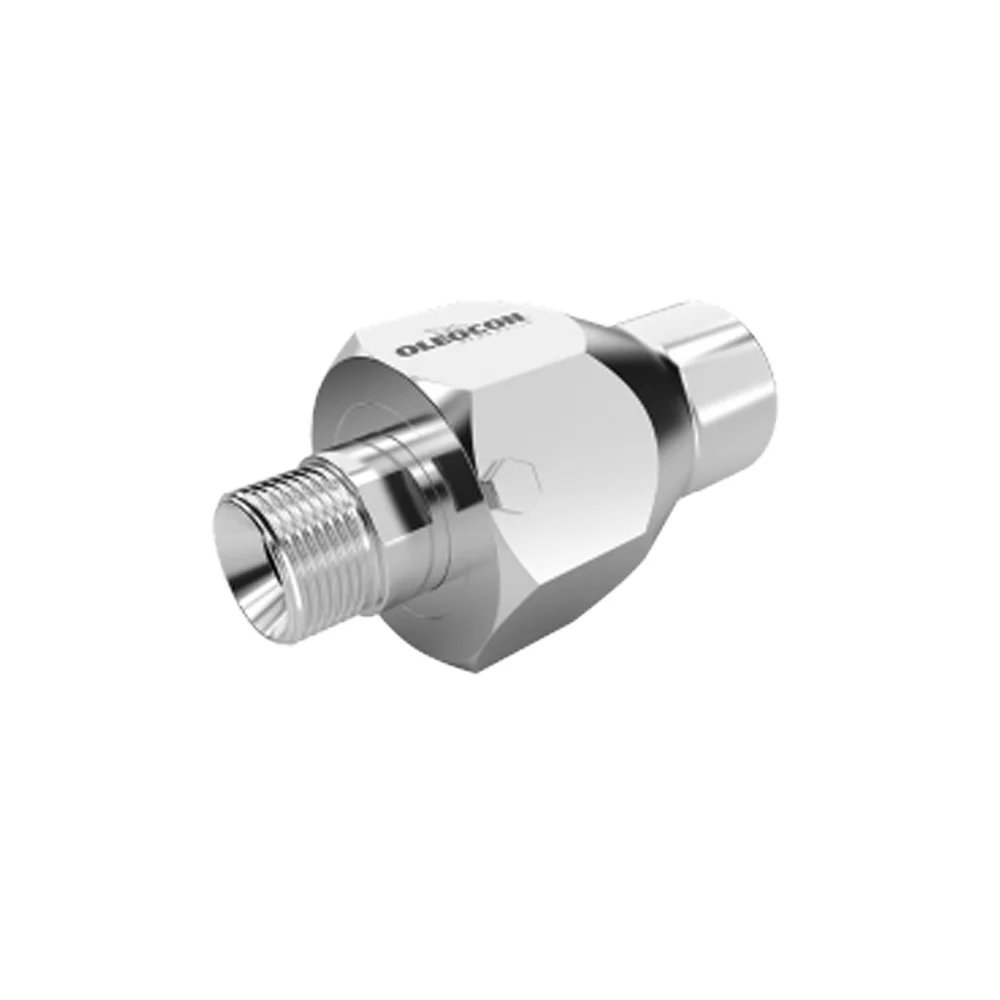
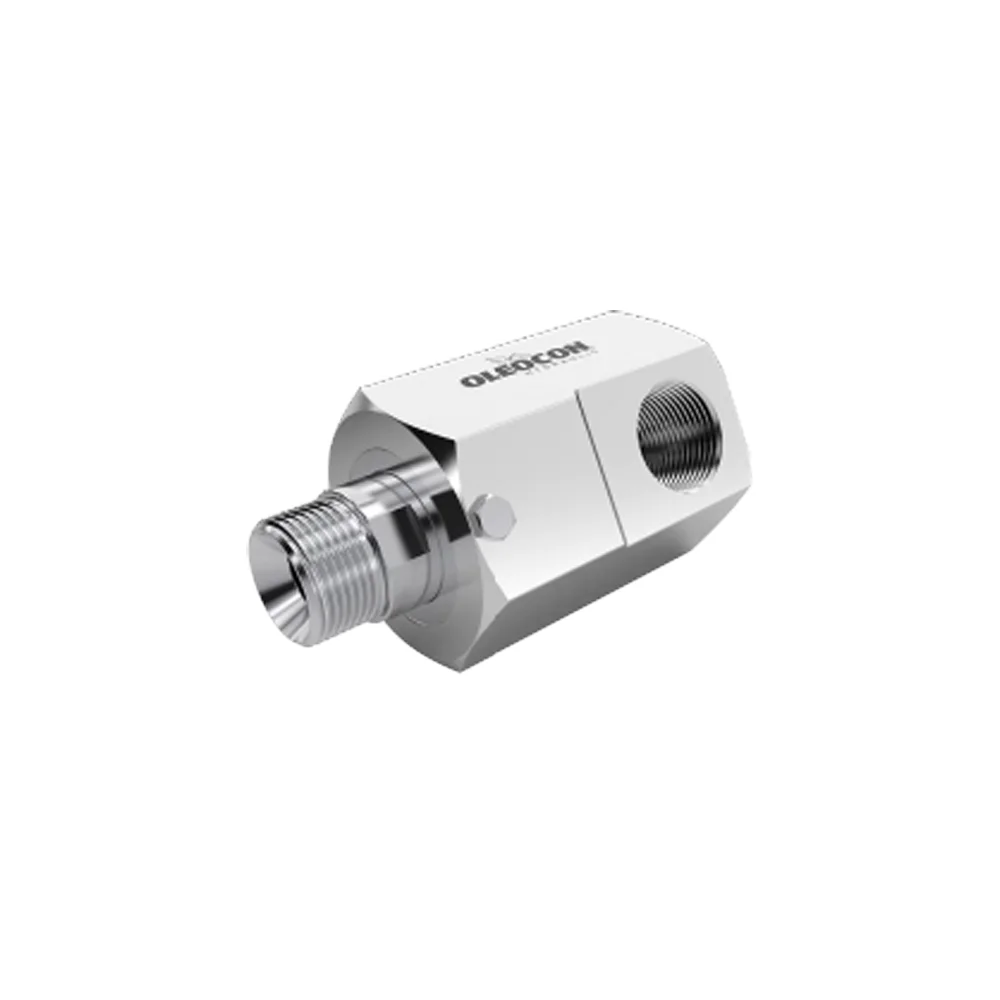
Auxiliary Valves
HPV
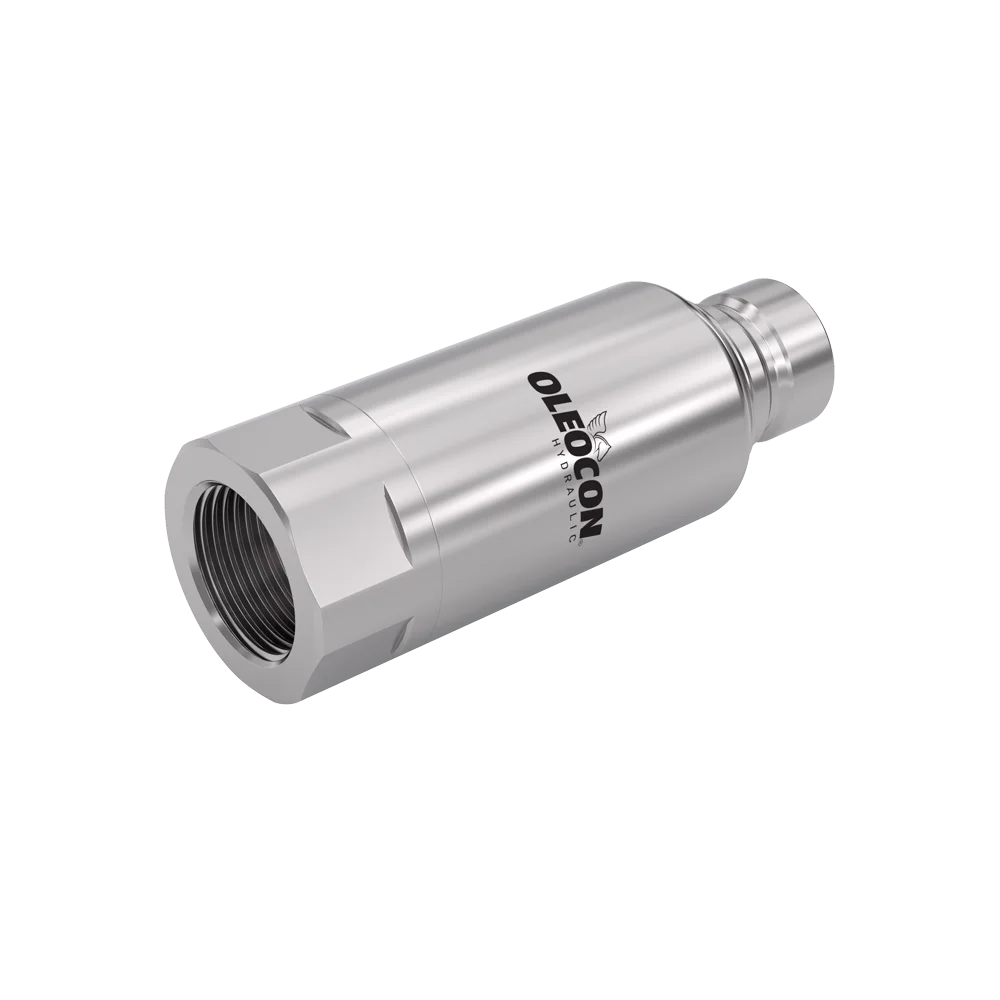
Hose burst safety valve
Safety valve that cuts off the sudden pressure drop in the cylinder when a hose bursts, preventing the load from falling. Line-type and cartridge-type options are available.
HPV · In-line
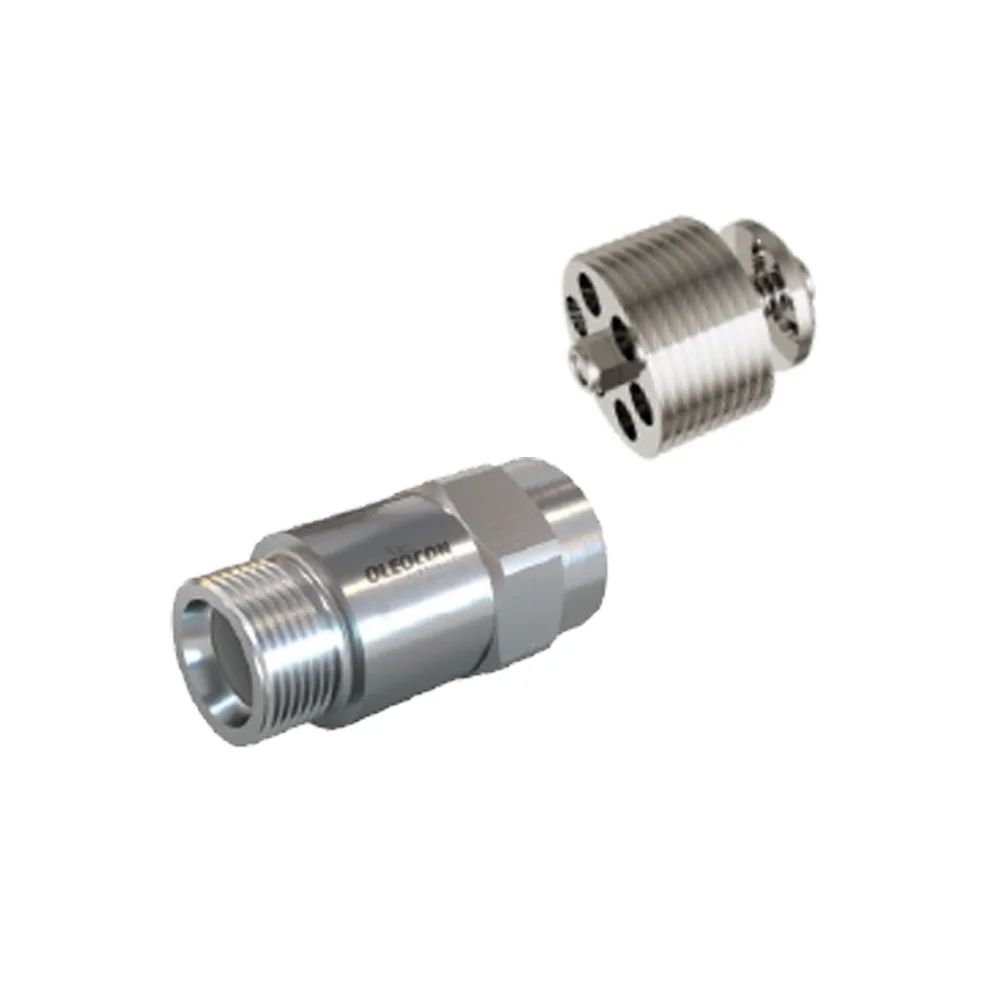
2Connection type: In-line, Cartridge type
10Product code
Features and benefits
Technical specifications
- Operating temperature−20 °C/+100 °C
- Working pressureUp to 420 bar
- Dimensions1/4" – 1"
- Flow rateUp to 180 l/min
- Thread optionsBSP
- SealNBR/FKM
- MaterialCarbon steel·Stainless steel
How it works
How does the valve work?
It stays open in normal operation. If a hose bursts and the oil leaving the cylinder suddenly speeds up, the valve closes and the load stays where it is.
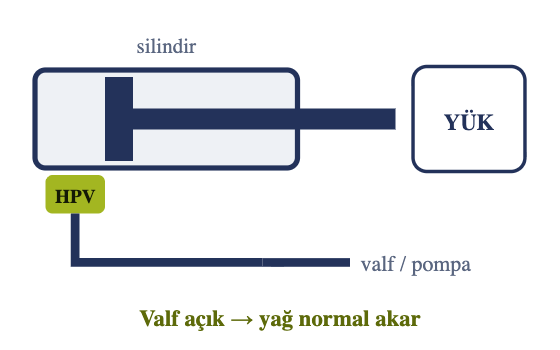
Normal operation
Flow rate below the closing value: valve open.
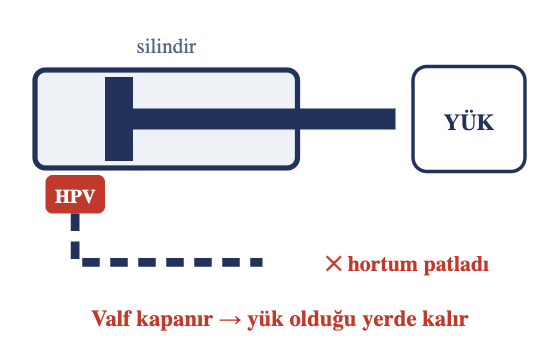
Hose burst
Flow rate suddenly increases: the valve closes.
Operates based on flow rate
It responds to the speed of the oil passing through, not to pressure; the closing flow rate must be selected correctly.
Right next to the cylinder
Fitted directly on the cylinder port; no hose in between.
Selection
How it differs from other auxiliary valves.
Scroll the table sideways to see all columns
| Valve | What does it do? | When? |
|---|---|---|
| FUV | Adjusts flow in one direction, free in the reverse | Cylinder speed in one direction only (e.g. lowering) |
| FCV | Adjusts flow rate in both directions | Cylinder / motor speed in both directions |
| CV | Allows flow in one direction only | Preventing backflow |
| TLV | Locks the cylinder in both directions | Holding a load in position for a long time |
| HPV (this page) | Shuts off flow if the hose bursts | Safety on load-lifting cylinders |
| PS-401 | Discharges excess pressure to the tank | Protecting the system from overload |
Instructions and warnings
Before use.
Correct use
For long life and reliable sealing
- Do not expose to abnormal operating conditions (for example oscillation, pressure shocks, water hammer, cavitation, solid and abrasive particles).
Warnings
Read before installation and use
- !Do not touch the valve when the operating temperature is below -20 °C or above +50 °C.
- !Make sure the system pressure is below the maximum working pressure.
- !Make sure all connection surfaces are clean so that dirt and dust do not build up in the circuit.
- !Make sure the mounting parts are on the same axis and fully connected.
- !Make sure the Oleocon product you have selected is suitable for your system's temperature, material and pressure requirements.
- !For any other questions, contact the Oleocon technical support team.
Installation and use
Filtration, viscosity, temperature.
Scroll the table sideways to see all columns
| Condition | Oleocon HPV |
|---|---|
| Filtration | Pending |
| Viscosity | Pending |
| Oil temperature | −20 … +100 °C |
| Body | Carbon steel · Stainless steel |
| Sealing | NBR / FKM |
Technical data
At what flow rate does the valve close, and how is it set?
The most important value in a hose burst valve is the closing flow rate.
Scroll the table sideways to see all columns
| Code | Type | Thread | Closing flow rate range | Factory setting |
|---|---|---|---|---|
| HPV-101 / 101K | In-line / cartridge | 1/4″ BSPP | Pending | Pending |
| HPV-102 / 102K | In-line / cartridge | 3/8″ BSPP | Pending | Pending |
| HPV-103 / 103K | In-line / cartridge | 1/2″ BSPP | Pending | Pending |
| HPV-104 / 104K | In-line / cartridge | 3/4″ BSPP | Pending | Pending |
| HPV-105K | Cartridge | 1″ BSPP | Pending | Pending |
Installation and use
How is the load lowered and the valve opened?
This is the first question users ask.
Scroll the table sideways to see all columns
| Subject | Oleocon HPV |
|---|---|
| Reopening | Pending |
| Leakage when closed | Pending |
| Zero-leak option | Pending |
| Flow direction | Pending |
Selection
What should the closing flow rate be?
The valve must not close during normal operation; it must close immediately when the hose bursts.
Rule
At least20%
Above the working flow rate
The closing flow rate must be at least 20% above the normal operating flow rate. With a closer setting, the valve closes unnecessarily on sudden flow surges.
Example selection
40l/min48–60l/min
If 40 l/min of oil leaves while the cylinder lowers, the closing flow rate is set between 48–60 l/min.
Installation and use
A wrongly fitted valve is useless.
Caution
Install as close to the cylinder as possible
The valve must be located between the cylinder and the point where the hose could rupture. The cartridge type goes directly into the cylinder port.
Do not use as an on-off valve
A hose burst valve is not set to close frequently; it must never close in normal operation.
Replace after a burst
When a hose bursts, the valve takes a sudden shock.
May leak slightly when closed
Depending on pressure, a small amount of oil may pass through a closed valve; the load lowers very slowly. If zero leakage is required, ask the manufacturer.
Installation and use
Port names and correct placement.
-
01
In-line type (HPV-101 … 104)
Screws in between the cylinder port and the hose.
-
02
Cartridge type (HPV-101K … 105K)
Goes directly into the cylinder port; no parts are left outside.
-
03
Flow direction
The valve closes when the oil leaving the cylinder accelerates too much; fit it according to the direction mark on the body.
-
04
Select the closing flow rate first
Before installation, select the correct closing flow rate for the normal operating flow rate (see the Selection section).
FAQ
The questions users ask most.
How do I choose the closing flow?
Select above the flow rate leaving the cylinder in normal operation; the valve must never close during normal operation. See the example in the selection section.
In-line type or cartridge?
If the cylinder port is suitable, the cartridge type goes directly into the port and leaves no parts outside; otherwise the in-line type is used.
Which seal should I choose?
NBR is sufficient for standard mineral oil. An FKM option is available for high temperature.
Can't find your question?Our technical team answers every question about the series.Contact technical support
Applications
Where is the HPV used?
Downloads
Catalogs, Technical Data and CAD.
You may also like
Related series
Can't find the size or connection you need in the list?
Send us the code or a technical drawing; we will get back to you with a suitable product and price.