
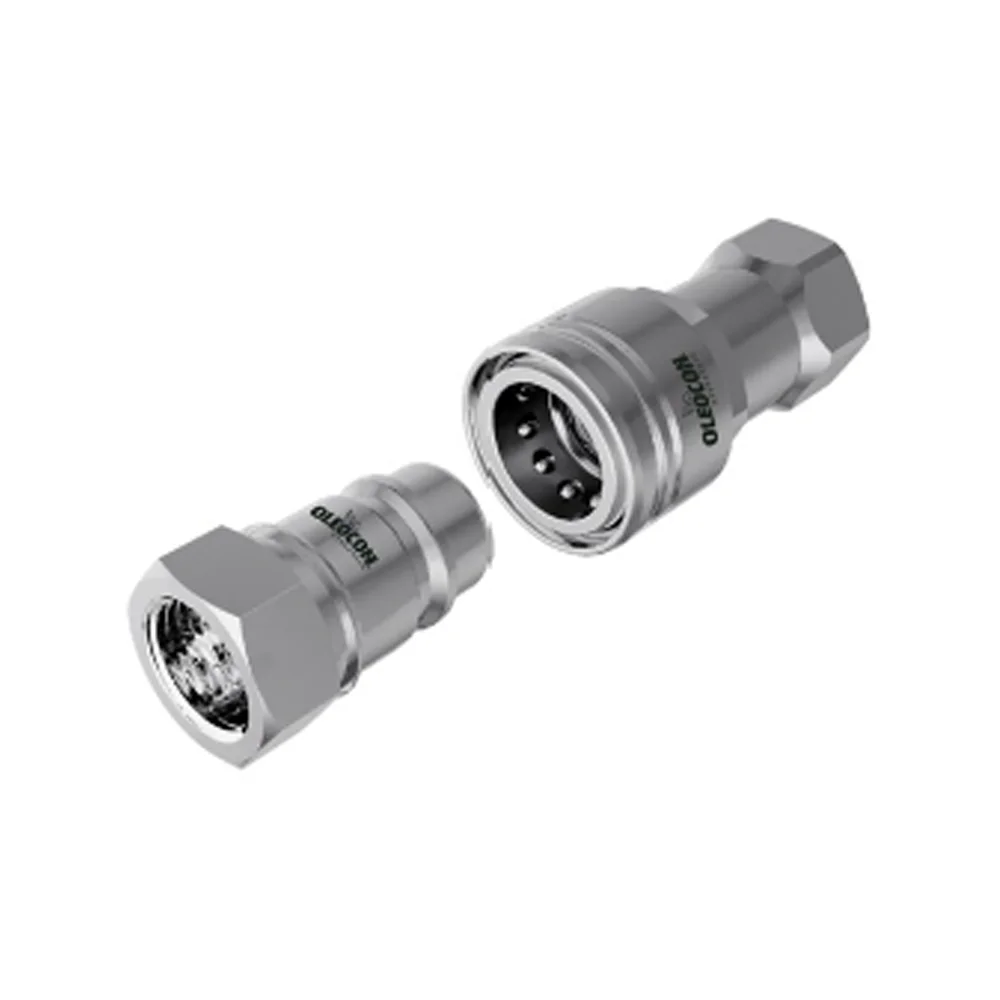
 Poppet type
6,3–50315bar
ISO 7241-A / B
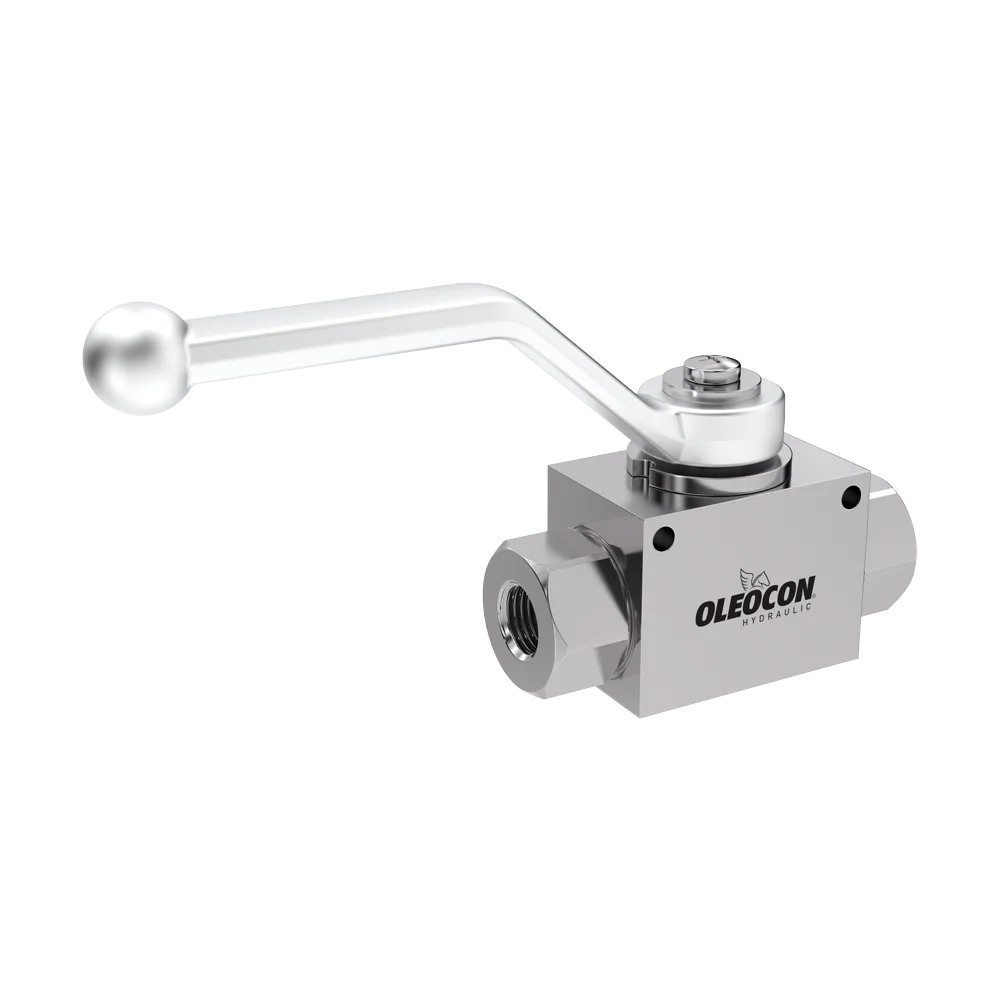
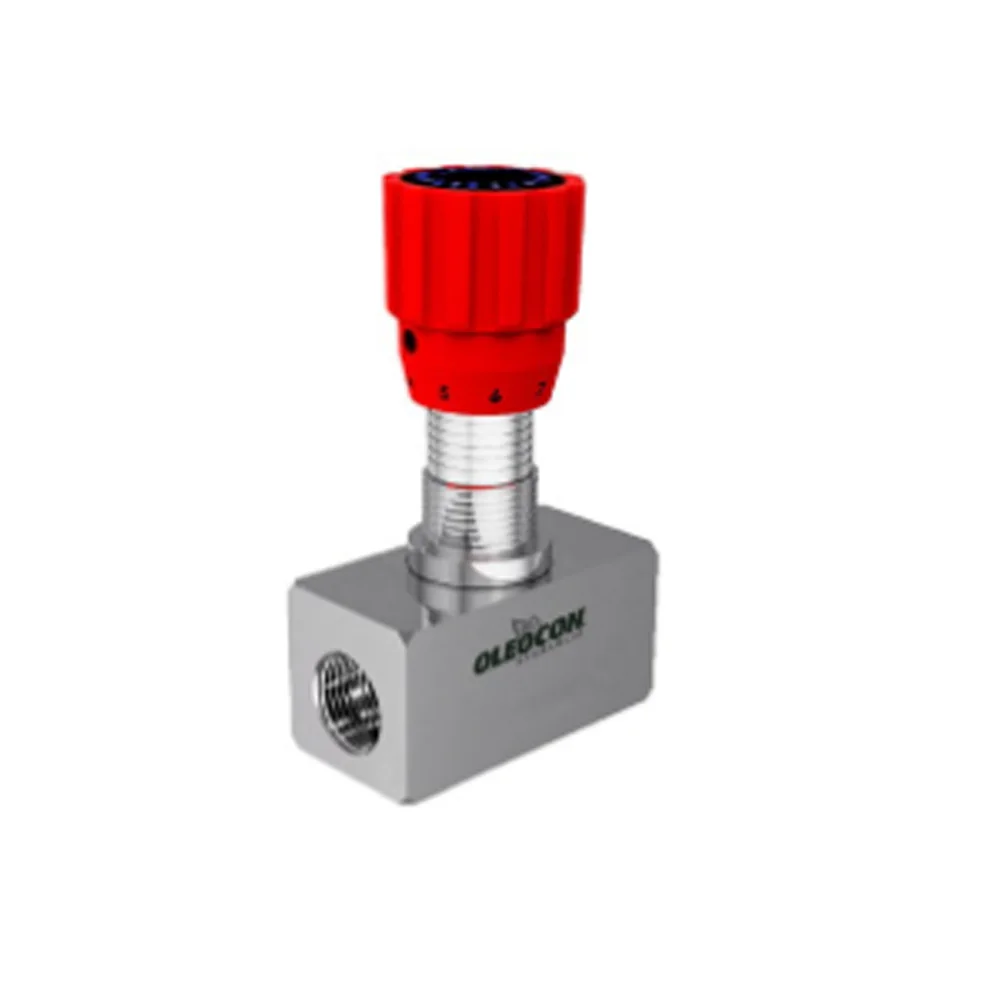
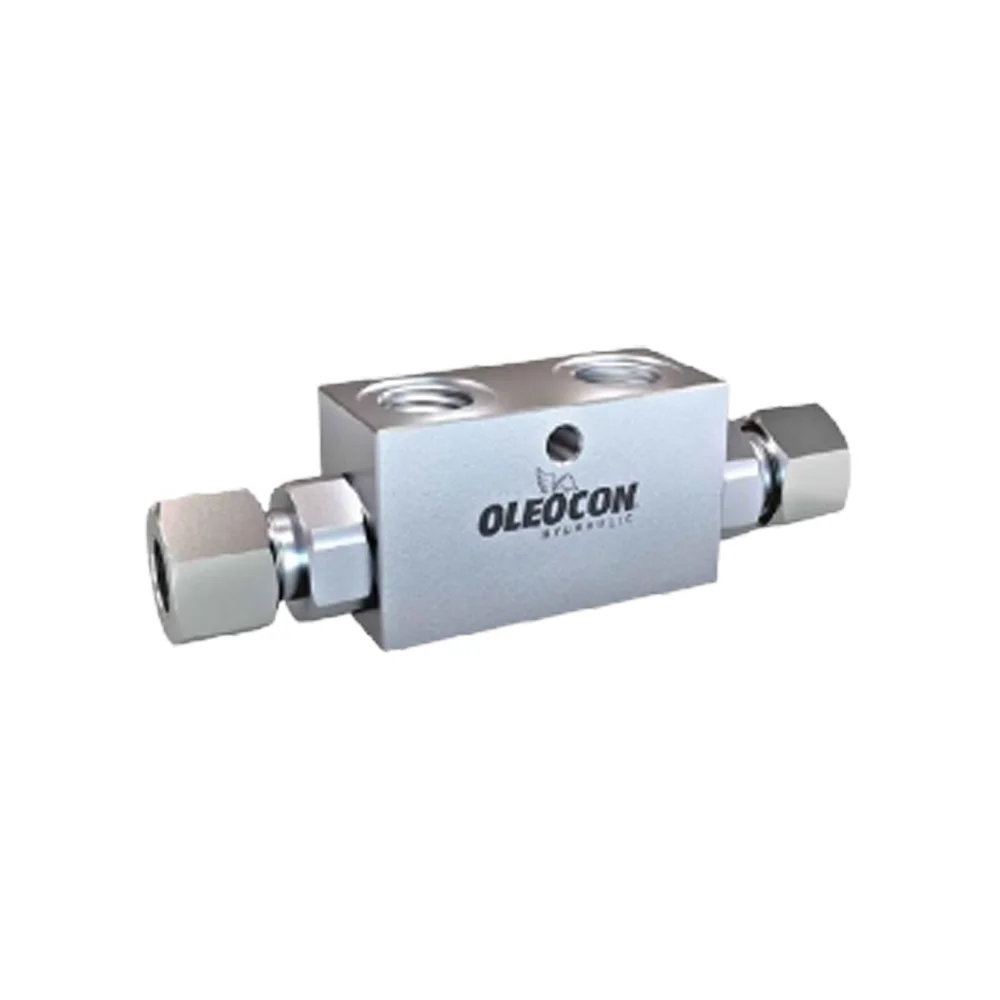
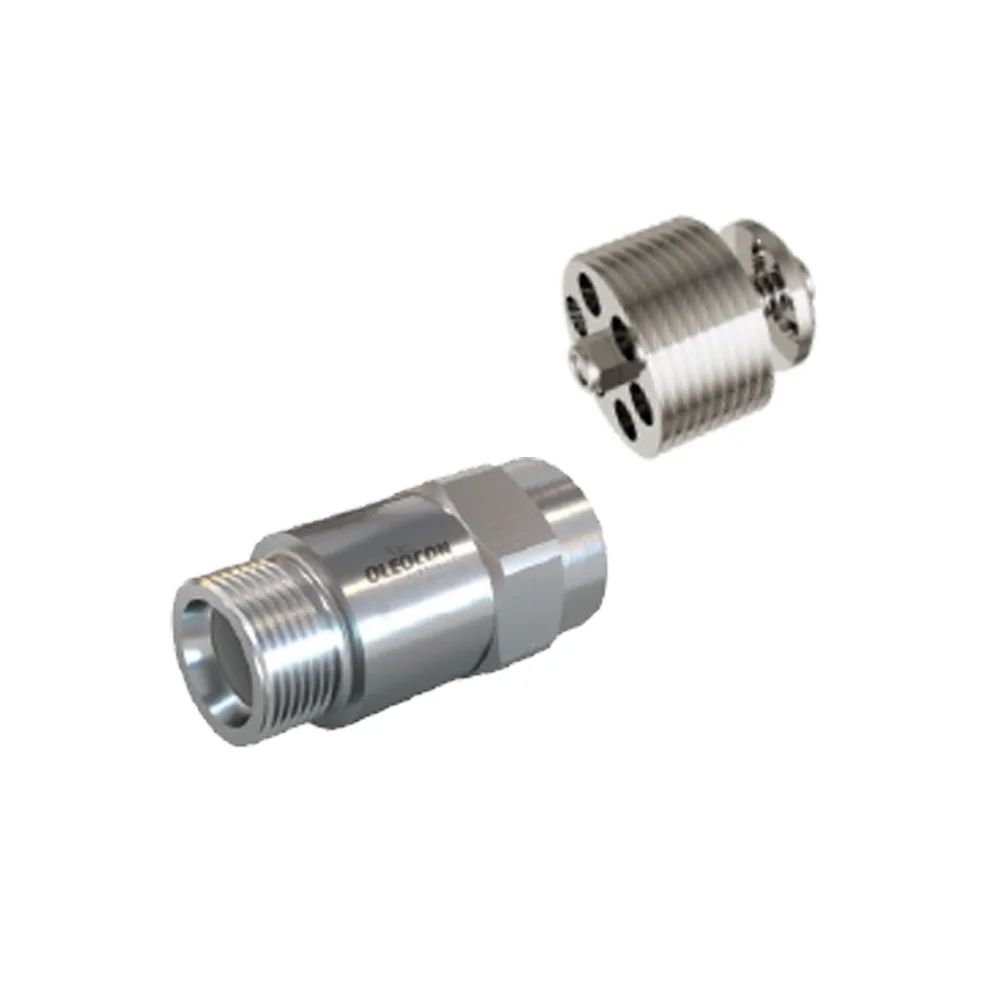
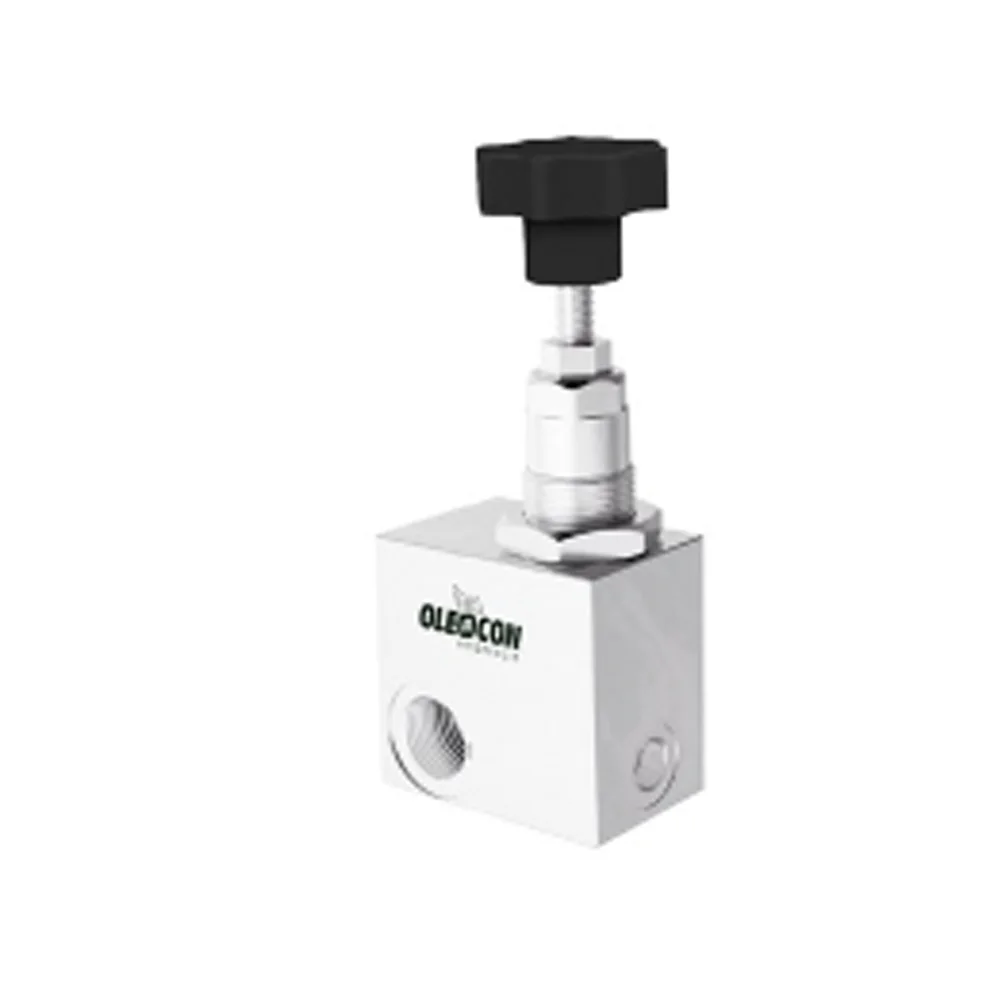
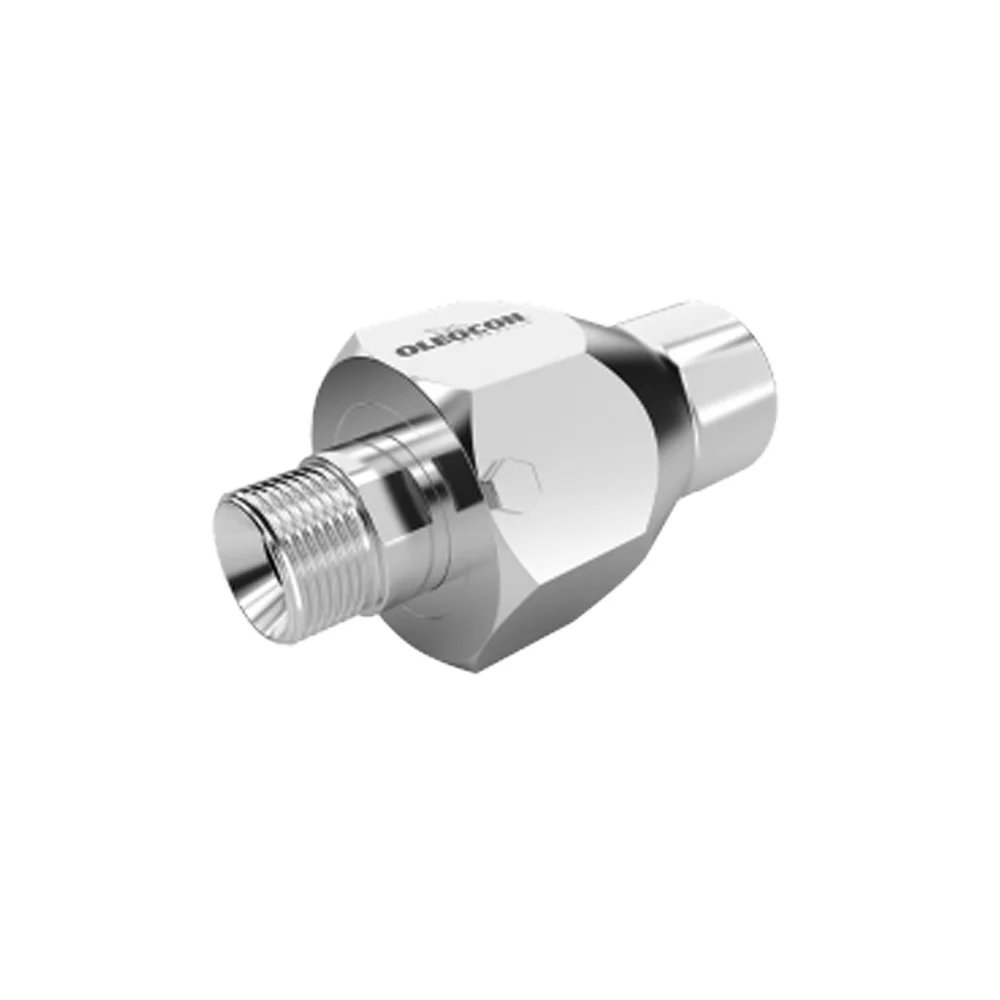
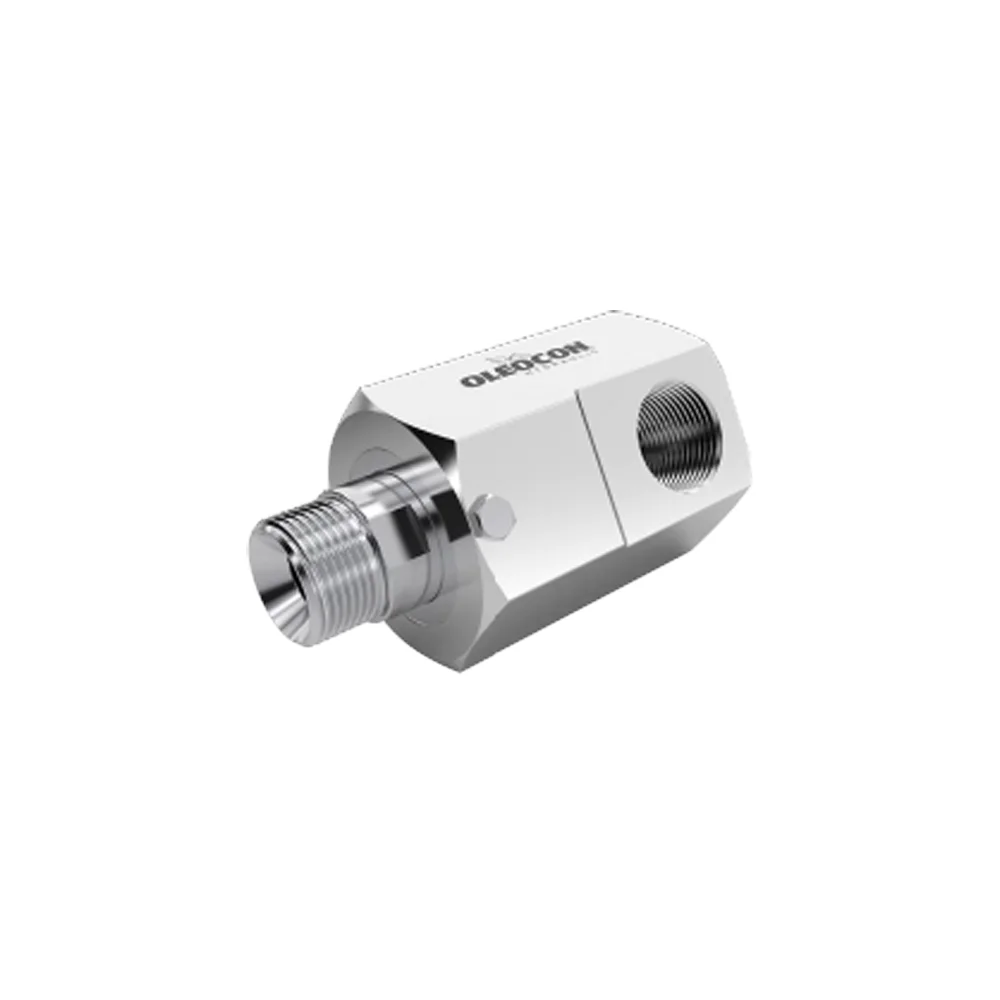
Auxiliary Valves
CV
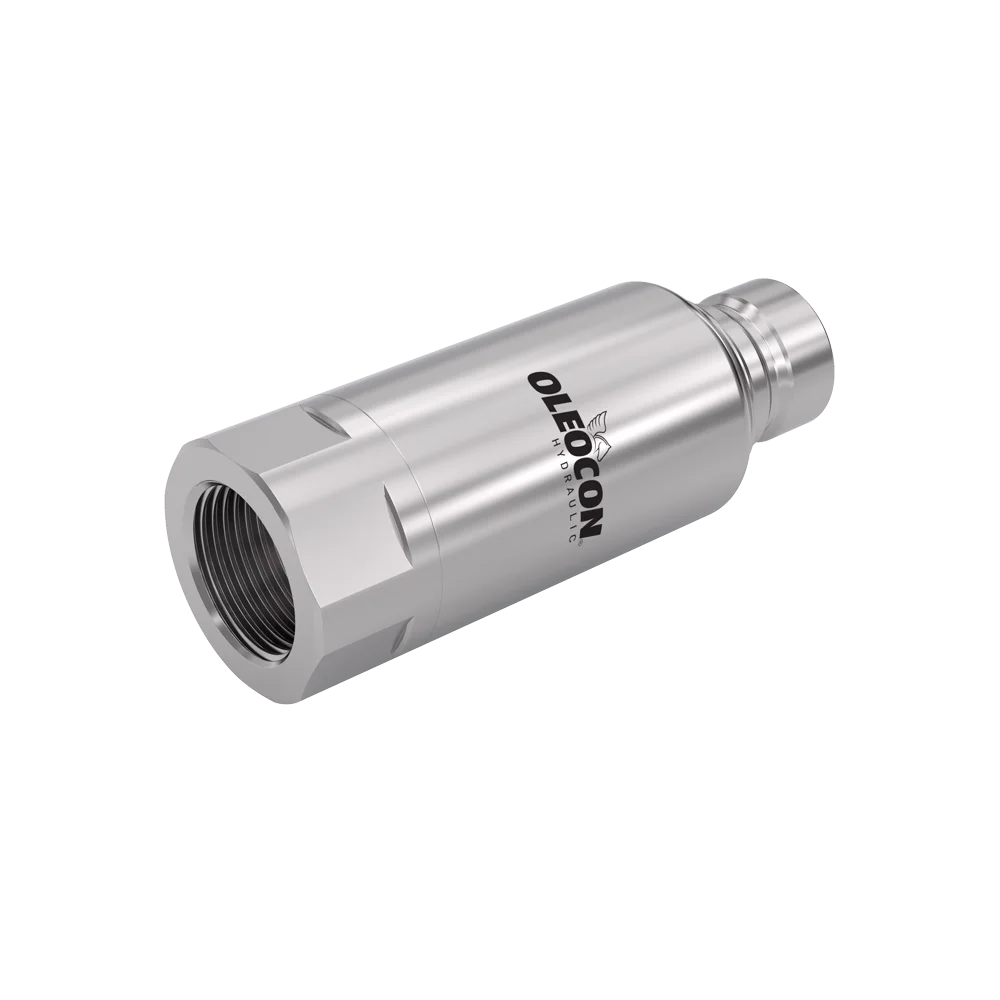
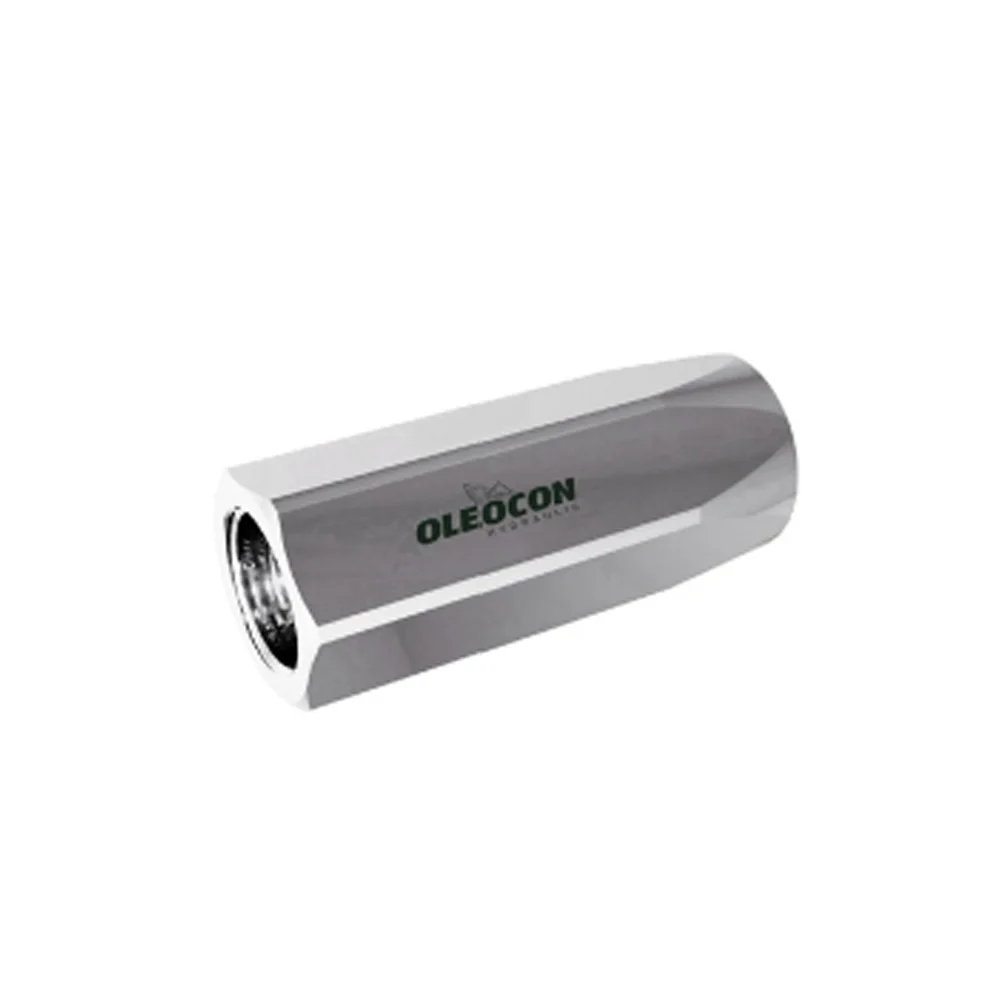
In-line check valve
In-line check valve that lets flow pass in one direction and blocks it in the reverse direction. Opening pressure is 0.5 bar; other values are manufactured on request.
CV · BSPP
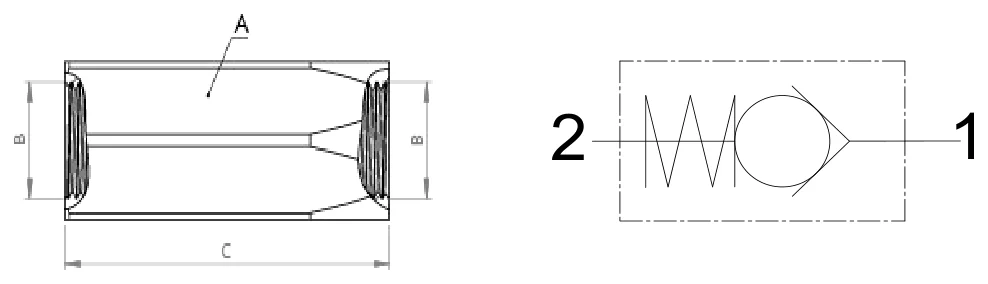
6,3–50Body size
3Connection type: BSPP, NPT, UNF
24Product code
Features and benefits
Technical specifications
- Operating temperature−20 °C/+100 °C
- Working pressureUp to 450 bar
- Dimensions1/4" – 2"
- Flow rateUp to 750 l/min
- Thread optionsBSP/NPT/SAE
- SealNBR/FKM
- MaterialCarbon steel·Stainless steel
Selection
How is the product code read?
CV-6-G14
Thread
G = BSPP NPT SAE = UNF
Body size
6 (6,3) 10 12 (12,5) 20 25 31 (31,5) 40 50
Series
Check valves
How it works
How does the valve work?
When inlet pressure exceeds 0.5 bar the valve opens and oil passes. If flow reverses, the spring closes the valve.
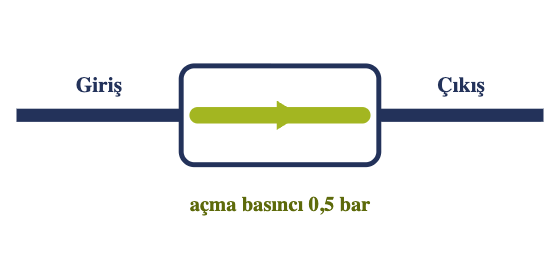
Forward direction: open
Flow starts once pressure exceeds 0.5 bar.
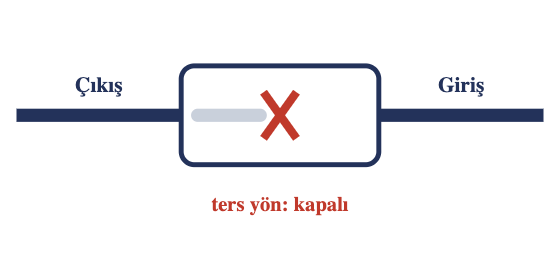
Reverse direction: closed
Reverse flow is blocked.
Different opening pressure
Standard cracking pressure is 0.5 bar; other values are available on request.
As a bypass
It can also be connected as a bypass for another system component (e.g. filter, cooler).
Selection
How it differs from other auxiliary valves.
Scroll the table sideways to see all columns
| Valve | What does it do? | When? |
|---|---|---|
| FUV | Adjusts flow in one direction, free in the reverse | Cylinder speed in one direction only (e.g. lowering) |
| FCV | Adjusts flow rate in both directions | Cylinder / motor speed in both directions |
| CV | Allows flow in one direction only | Preventing backflow |
| TLV | Locks the cylinder in both directions | Holding a load in position for a long time |
| HPV | Shuts off flow if the hose bursts | Safety on load-lifting cylinders |
| PS-401 | Discharges excess pressure to the tank | Protecting the system from overload |
Instructions and warnings
Before use.
Correct use
For long life and reliable sealing
- Do not expose to abnormal operating conditions (for example oscillation, pressure shocks, water hammer, cavitation, solid and abrasive particles).
Warnings
Read before installation and use
- !Do not touch the valve when the operating temperature is below -20 °C or above +50 °C.
- !Make sure the system pressure is below the maximum working pressure.
- !Make sure all connection surfaces are clean so that dirt and dust do not build up in the circuit.
- !Make sure the mounting parts are on the same axis and fully connected.
- !Make sure the Oleocon product you have selected is suitable for your system's temperature, material and pressure requirements.
- !For any other questions, contact the Oleocon technical support team.
Installation and use
Filtration, viscosity, temperature.
Scroll the table sideways to see all columns
| Condition | Oleocon CV |
|---|---|
| Filtration | Pending |
| Viscosity | Pending |
| Oil temperature | −20 … +100 °C |
| Body | Carbon steel · Stainless steel |
| Sealing | NBR / FKM |
Installation and use
A wrongly fitted valve is useless.
Caution
Install following the arrow
The arrow on the body shows the direction in which oil flows freely. A check valve installed backwards shuts off the line completely.
Do not use to hold a load
A check valve prevents reverse flow but cannot release the cylinder on demand; use a TLV to hold a load.
Allow for the opening pressure
The valve opens at 0.5 bar; this value remains in the line as a small pressure drop.
May leak in dirty oil
A particle on the seating surface prevents the valve from closing fully; pay attention to filtration.
Installation and use
Port names and correct placement.
-
01
Arrow = free flow direction
The arrow on the body shows the direction of oil flow; the inlet is behind the arrow.
-
02
Choose the right thread type
BSPP (G), NPT and SAE (UNF) threads cannot be connected to one another; check the thread letter in the code.
-
03
As a bypass
If fitted in parallel with a filter or cooler, the oil passes through the check valve when they become clogged.
-
04
Sealing
BSPP and SAE threads are sealed with a washer or O-ring; do not wrap tape on the thread.
FAQ
The questions users ask most.
Does the check valve hold the load?
It blocks reverse flow, but a pilot-operated TLV is used for long-term load holding, because the TLV can release the cylinder with pilot pressure when required.
Which way is it installed?
The arrow on the body shows the direction of free flow.
Can the opening pressure be changed?
Standard is 0.5 bar; other values are manufactured on request.
Which seal should I choose?
NBR is sufficient in standard mineral oil.
Can't find your question?Our technical team answers every question about the series.Contact technical support
Applications
Where is CV used?
Downloads
Catalogs, Technical Data and CAD.
You may also like
Related series
Can't find the size or connection you need in the list?
Send us the code or a technical drawing; we will get back to you with a suitable product and price.