
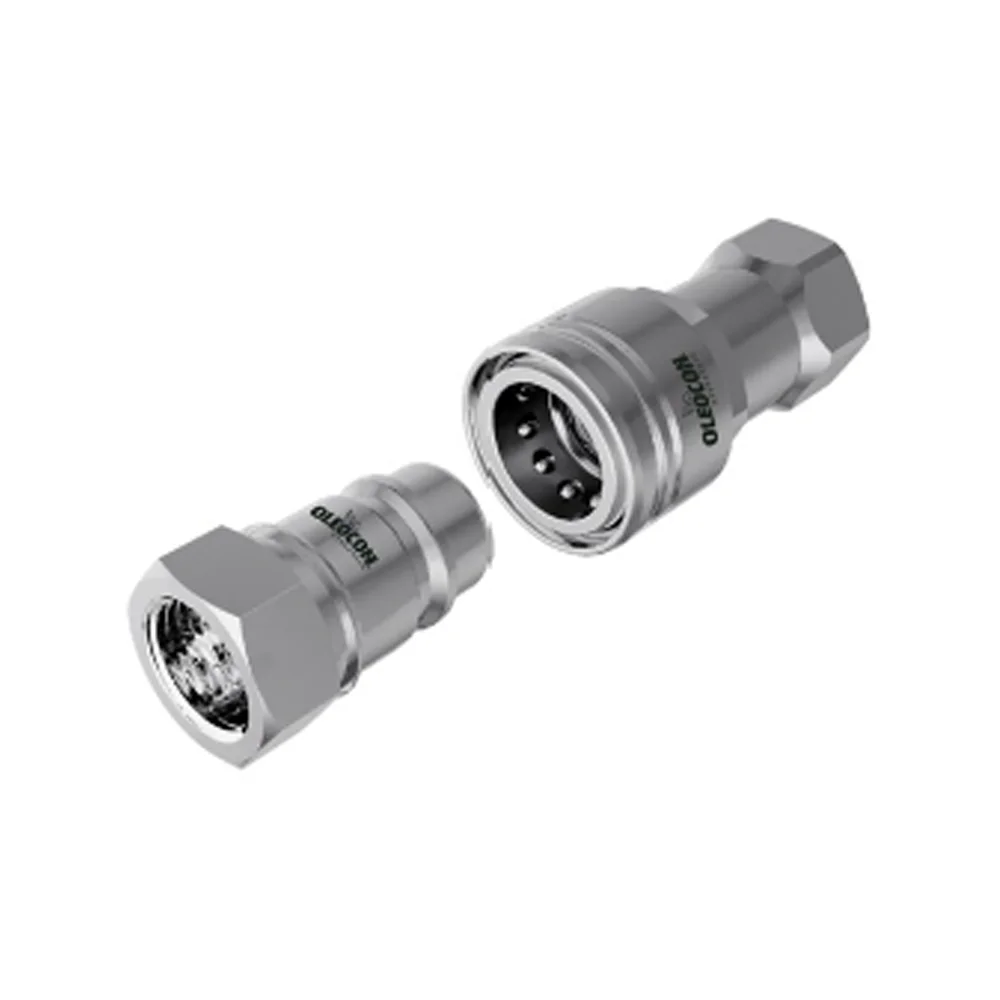
 Poppet type
6,3–50315bar
ISO 7241-A / B
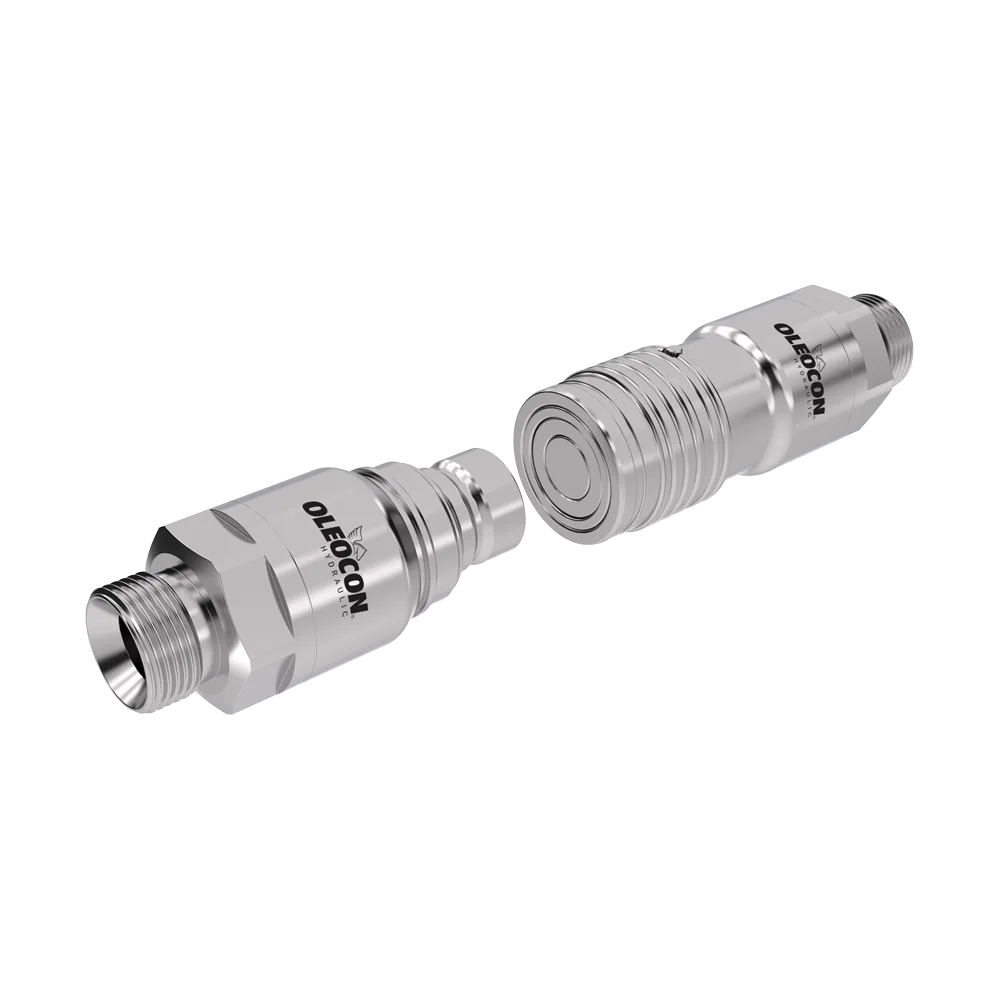
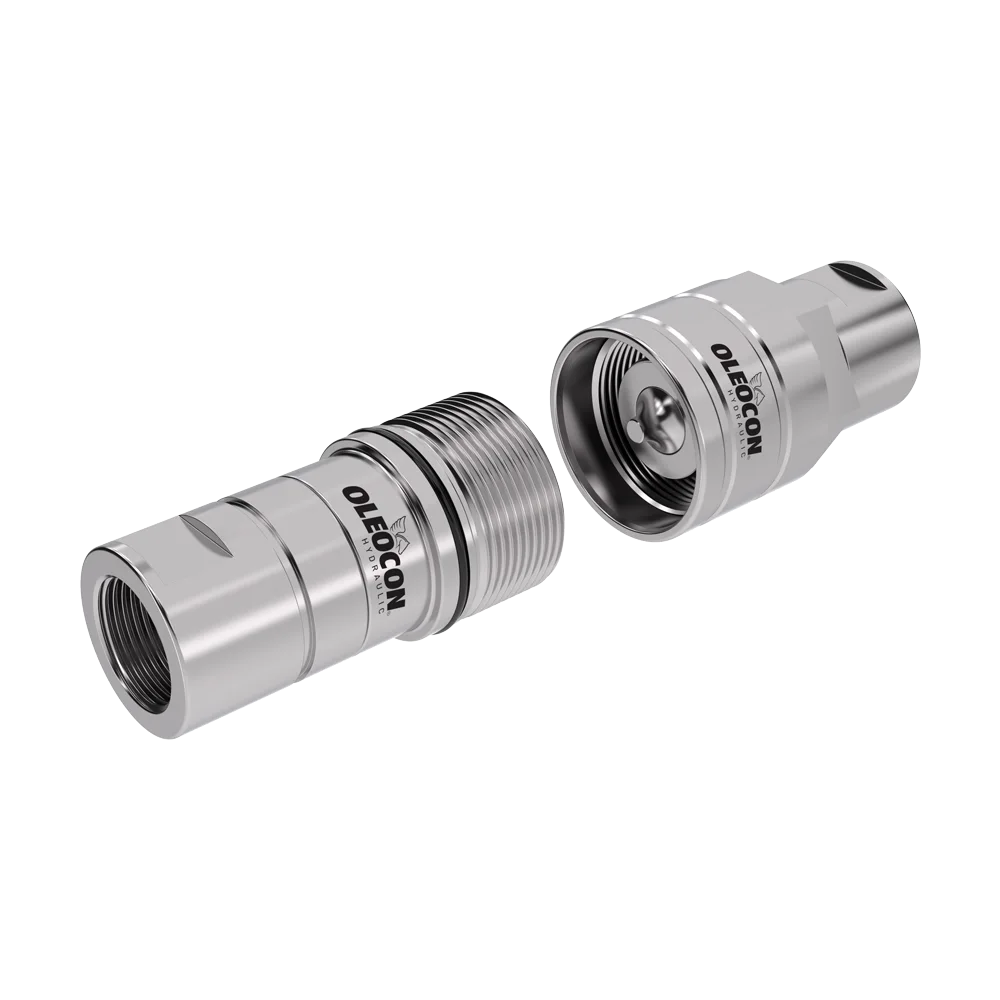
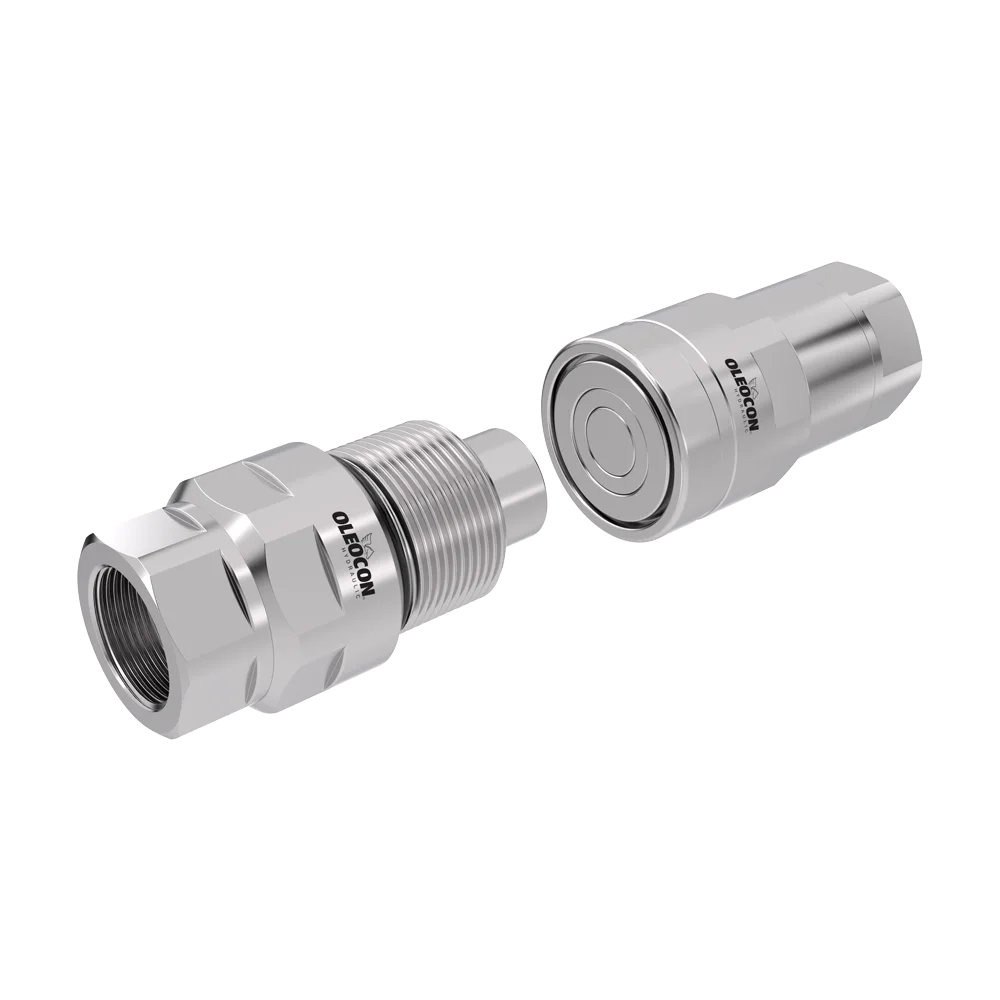
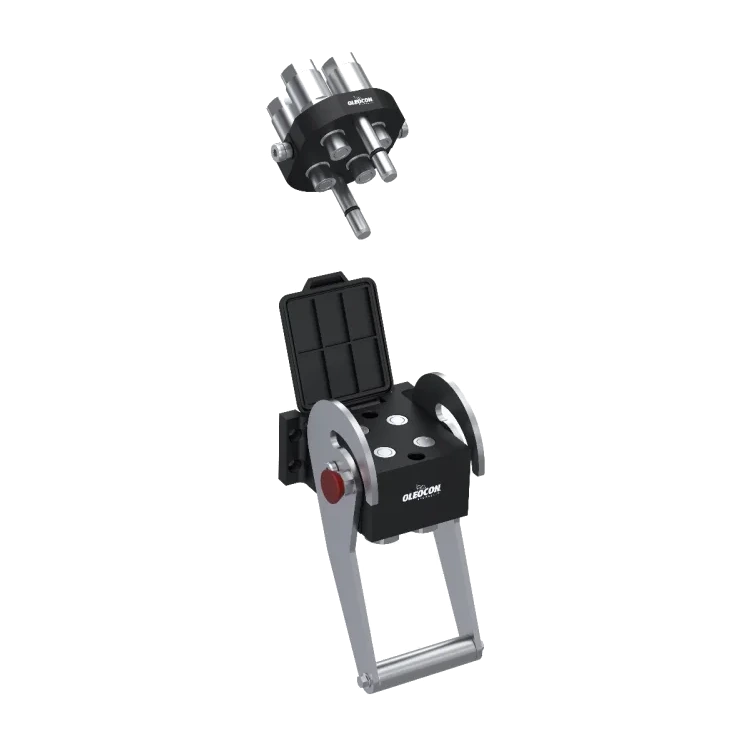
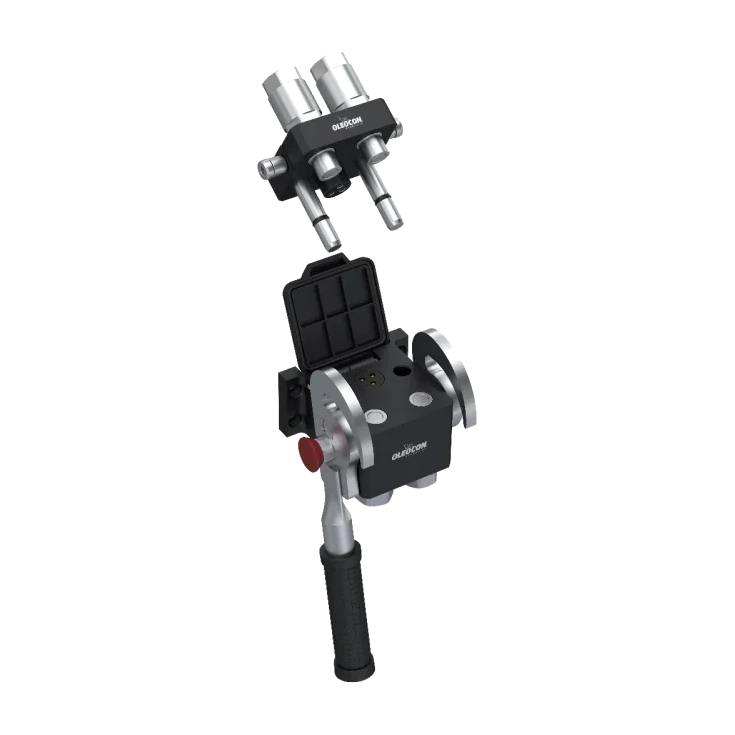
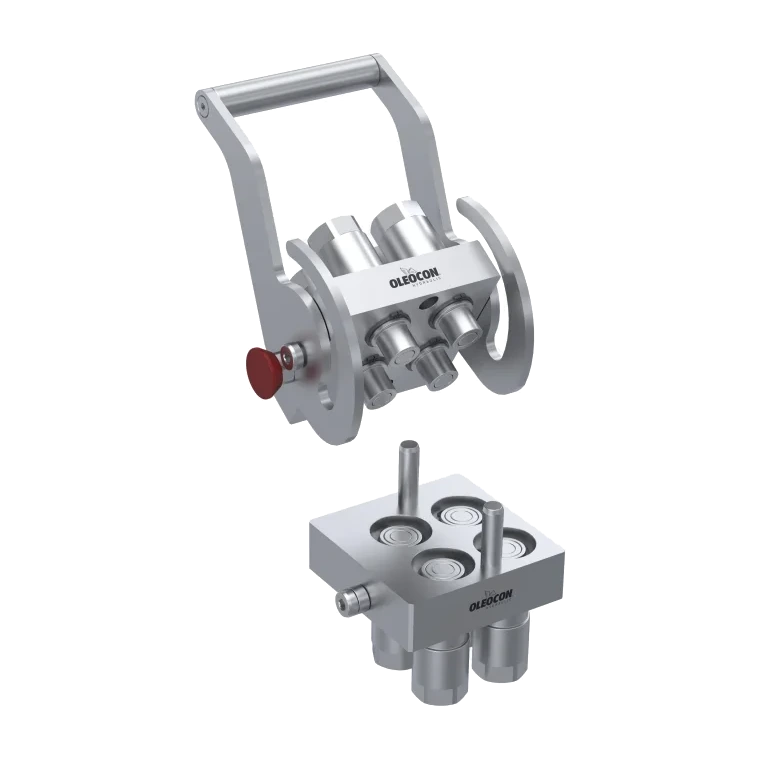
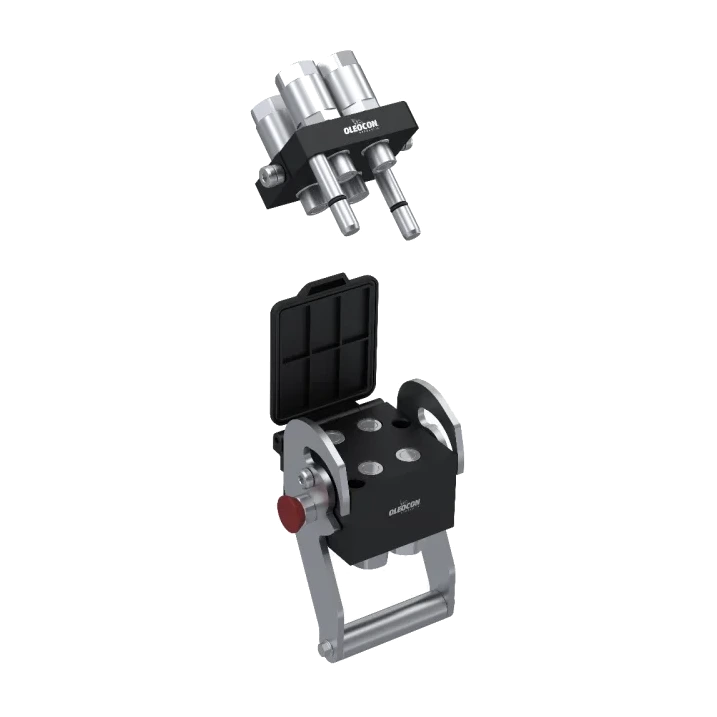
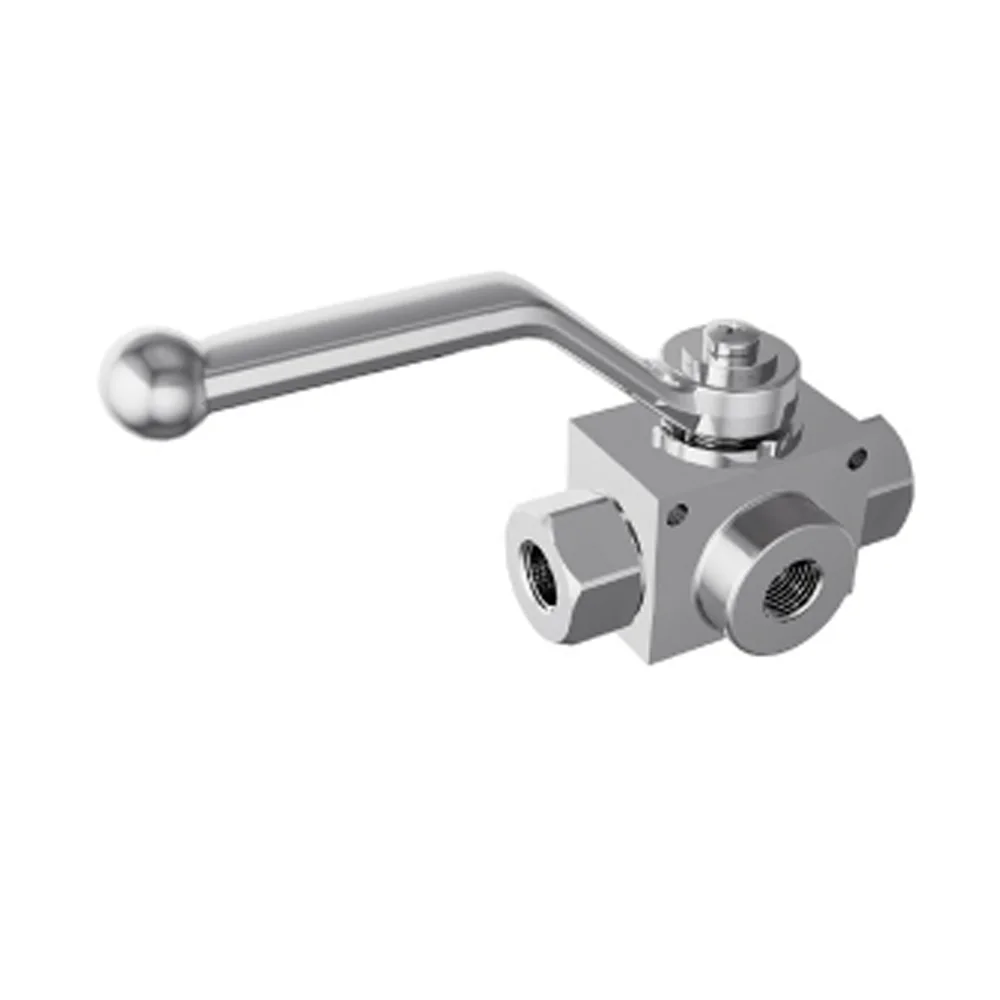
Ball valves
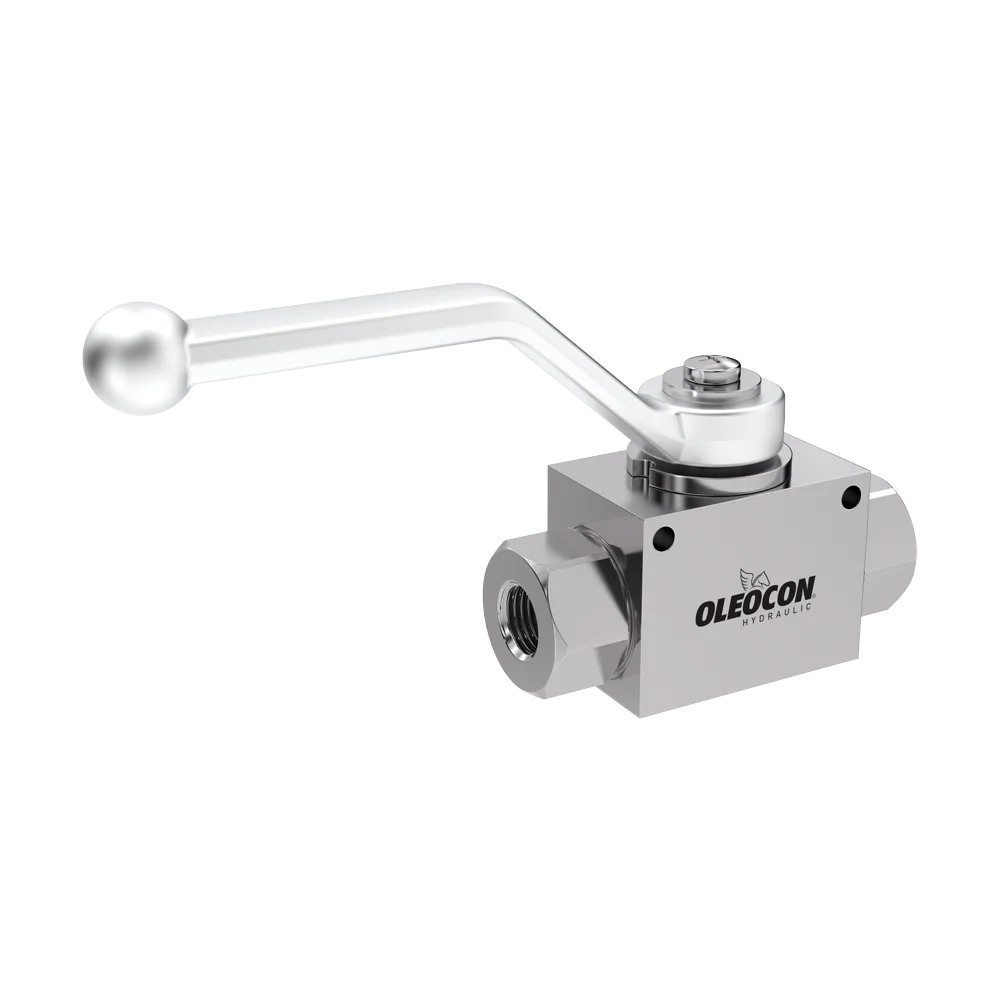
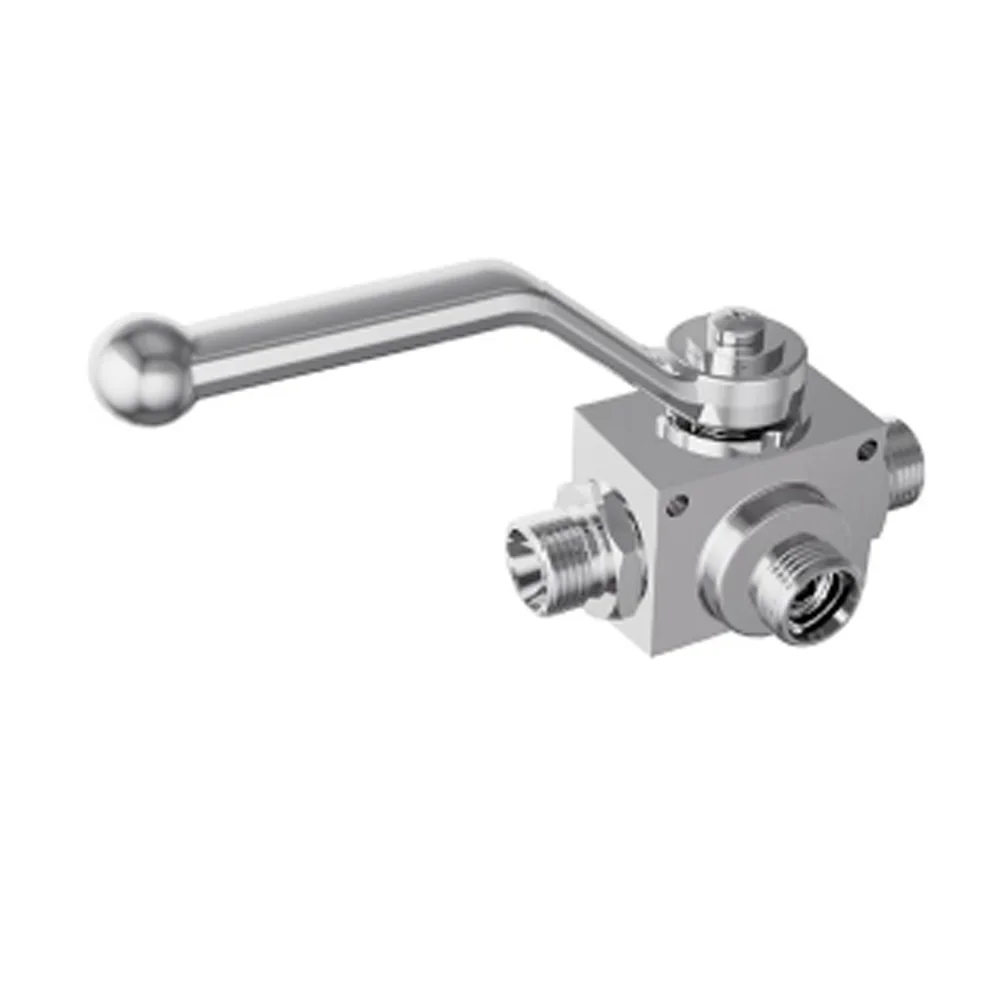
KV3L
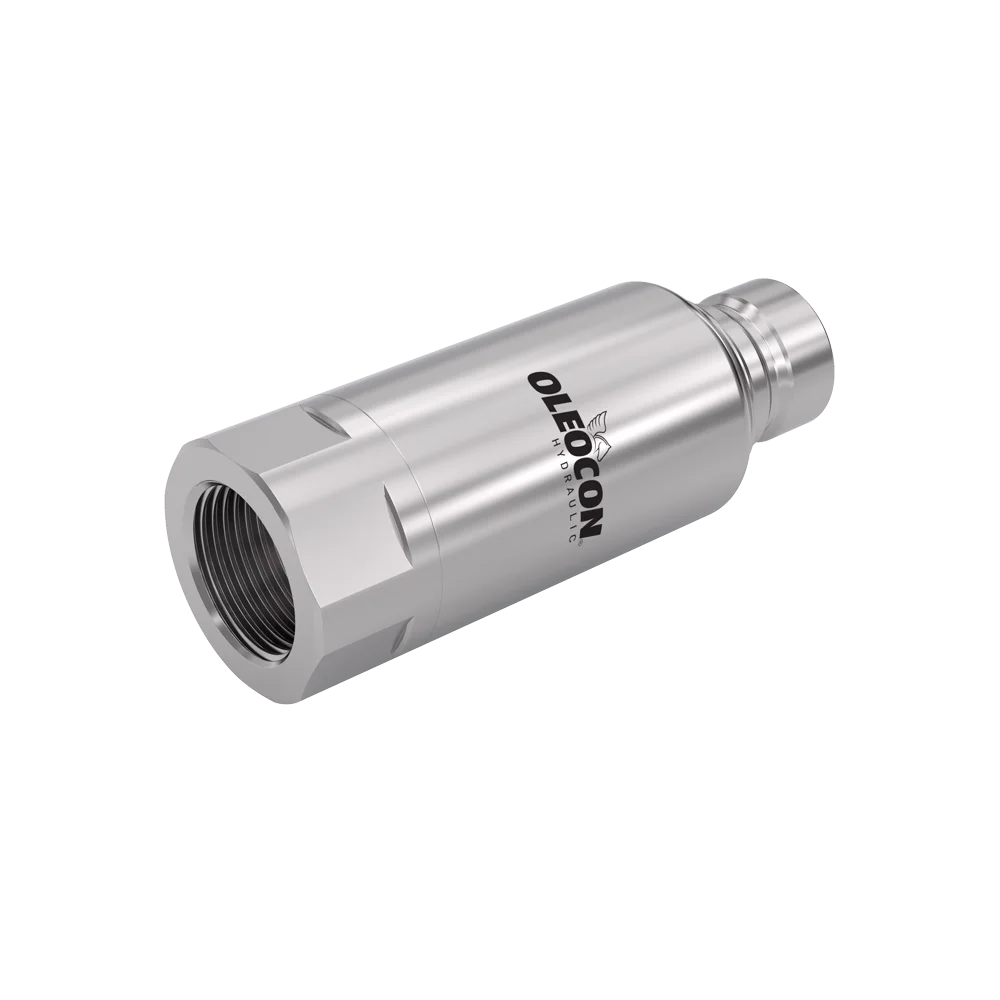
3-way L-type ball valve
3-way L-type ball valve that directs flow from the inlet port to one of two outlets. It does not restrict flow, and the position can be fixed with a locking plate.
KV3L · Metric
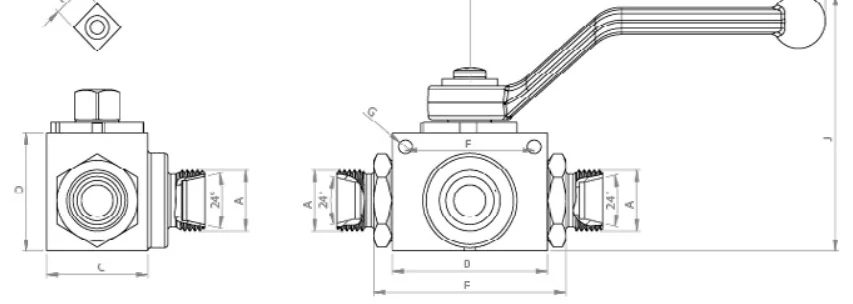
10–25Body size
2Connection type: Metric, BSPP / NPT / UNF
40Product code
Features and benefits
Technical specifications
- Operating temperature−20 °C/+100 °C
- Working pressureUp to 500 bar
- Body sizesDN10-25
- MaterialHigh-strength·Carbon steel·Stainless steel
- Thread optionsBSP/NPT/SAE/Metric
- SealNBR/FKM/PTFE/EPDM
How it works
Where does the oil flow in each lever position?
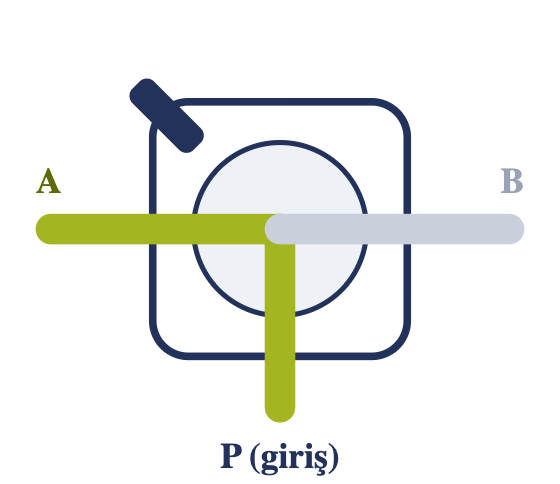
P → A
B closed.
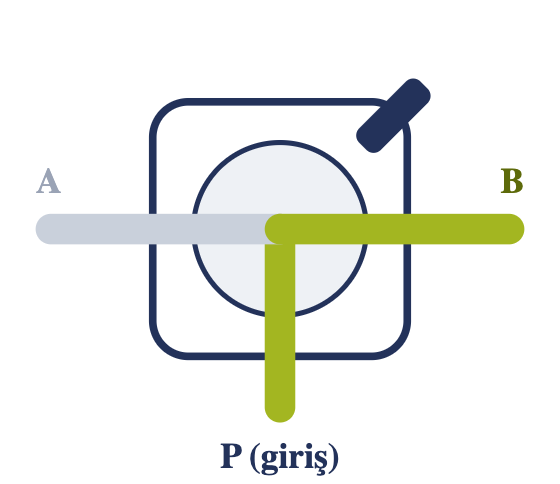
P → B
A closed.
Intermediate position
With the lever between two positions, flow is not shut off completely; a small amount of oil may pass to both outlets.
Port markings
Ports P, A and B must be marked on the body; the installer must be able to read the direction from the body.
Selection
Each letter of the code describes an option.
Your code contains the series, size and thread.
KV3L-10-6L
Thread
G = BSPP NPT SAE = UNF 6L–42L / 6S–38S = DIN 2353 metric tube
Body size
10 12 (12,5) 20 25
Series
3-way L-port
Technical data
Each body size has its own pressure limit.
Valves with larger bodies withstand lower pressure. When the seal changes, the limit changes too.
Scroll the table sideways to see all columns
| Body size | Thread examples | Maximum working pressure | Test pressure | Weight |
|---|---|---|---|---|
| DN10 | G 1/4 · G 3/8 · 7/16-20 UNF · M12–M20 | 500 bar | Pending | 0.44 – 0.50 kg |
| DN12.5 | G 1/2 · 3/4-16 UNF · M22–M26 | 500 bar | Pending | 0.66 – 0.72 kg |
| DN20 | G 3/4 · 1 1/16-12 UN · M30 | 400 bar | Pending | 1.25 – 1.40 kg |
| DN25 | G 1 – G 1 1/2 · 1 5/16 – 1 7/8 UN · M36–M52 | 400 bar1 1/4″ and 1 1/2″ class connections 350 bar | Pending | 1.46 – 3.40 kg |
Scroll the table sideways to see all columns
| Seal | Maximum pressure | Temperature | Suitable fluid |
|---|---|---|---|
| NBR (standard) | Pending | −20 / +100 °C | Mineral-based hydraulic oil |
| FKM | Pending | Pending | High temperature, fuel, synthetic oil |
| PTFE | Pending | Pending | Almost any hydraulic fluid |
| EPDM | Pending | Pending | Water-glycol, phosphate ester fluid (not used with mineral oil) |
Technical data
How much force is needed to turn the handle?
This information is needed to select the lever length for manual operation, or the actuator size for actuated operation.
Scroll the table sideways to see all columns
| Body size | 0 bar | 100 bar | 250 bar | Maximum pressure |
|---|---|---|---|---|
| DN10 | Pending | Pending | Pending | Pending |
| DN12.5 | Pending | Pending | Pending | Pending |
| DN20 | Pending | Pending | Pending | Pending |
| DN25 | Pending | Pending | Pending | Pending |
Installation and use
Lock, limit switch, actuation.
Scroll the table sideways to see all columns
| Option | What is it for? | Oleocon |
|---|---|---|
| Locking plate | Locks the valve in the selected position | ✔ Yes |
| Lock + limit switch | Signals the valve position electrically | Pending |
| Pneumatic / electric actuator | Remote position change | Pending |
| Supplied without handle | For machine manufacturers who will fit their own handle or actuator | Pending |
| Stainless steel body / ball | Corrosive environment | Listed in the catalog |
Warnings
What not to do with a ball valve.
Caution
Do not leave in an intermediate position
Always move the lever to a full position. In an intermediate position the seat is damaged, and on a 3-way valve flow is not completely shut off.
The inlet is the highest-pressure side
Port P (inlet) must always be connected to the highest-pressure line. If connected the wrong way round, the seal is overstressed.
Turn slowly under pressure
A sudden change of position creates a pressure shock in the line.
Instructions and warnings
Before use.
Correct use
For long life and reliable sealing
- Make sure the flow rate is within normal values.
- Do not expose to abnormal operating conditions (for example oscillation, pressure shocks, water hammer, cavitation, solid and abrasive particles).
Warnings
Read before installation and use
- !Do not touch the valves when the operating temperature is below -20 °C or above +50 °C.
- !Make sure the system pressure is below the maximum working pressure.
- !Make sure all connection surfaces are clean so that dirt and dust do not build up in the circuit.
- !Make sure the mounting parts are on the same axis and fully connected.
- !Make sure the Oleocon product you have selected is suitable for your system's temperature, material and pressure requirements.
- !For any other questions, contact the Oleocon technical support team.
Quality
Every valve is tested before shipment.
- Every valve undergoes a pressure test (test pressure and duration)
- Material certificate (EN 10204 3.1) on request
- Marine / maritime approvals (DNV, ABS, BV)
- ISO 9001 quality management
- Place of manufacture: Konya, Türkiye
FAQ
The questions users ask most.
What is the difference between KV3L and KV3T?
KV3L directs the flow from the inlet to one of the two outlets. In addition, KV3T can also send oil to both outlets at once.
What is the maximum working pressure in bar?
Varies by body size: 500 bar for DN10 and DN12.5, 400 bar for DN20 and DN25, 350 bar for the 31.5 and 40 types of DN25. The stainless steel version is in the 250–400 bar range.
Can it be used for flow rate adjustment?
No. The ball valve works at the full positions between the stops; in an intermediate position the ball seat wears and the seal is compromised. Use FUV or FCV series flow control valves for flow rate adjustment.
Which seal should I choose?
The standard seal is NBR and is used for mineral-based hydraulic oil. FKM and EPDM are optional; FKM is standard on stainless steel valves. Confirm suitability with technical support.
Is there a stainless steel option?
Yes. The AISI 316L stainless steel version is used in the −20 °C / +200 °C range at 250–400 bar.
Can the valve be locked in the desired position?
Yes. By changing the position of the locking plate, the valve can be locked in the desired position.
What thread types are available?
Versions are available with BSPP, NPT, UNF (SAE) and metric tube connections (light and heavy series).
Can't find your question?Our technical team answers every question about the series.Contact technical support
Applications
Where is KV3L used?
Downloads
Catalogs, Technical Data and CAD.
You may also like
Related series
Can't find the size or connection you need in the list?
Send us the code or a technical drawing; we will get back to you with a suitable product and price.